|
 |
 | | | | | | ||||||||||||||||||||||||||||||||||||||||||||||||||||||||||||||||||||||||||||||||||||||||||||||||||||||||||||||||||||||||||||||||||||||||||||||||||||||||||||||||||||||||||||||||||||||||||||||||||||||||||||||||||||||||||||||||||||||
| | | You are in: Programmes: Real Story | ||||||||||||||||||||||||||||||||||||||||||||||||||||||||||||||||||||||||||||||||||||||||||||||||||||||||||||||||||||||||||||||||||||||||||||||||||||||||||||||||||||||||||||||||||||||||||||||||||||||||||||||||||||||||||||||||||||||||
|
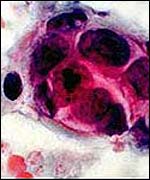
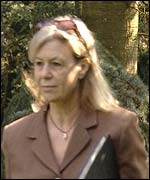
| | Monday, 7 April, 2003, 13:19 GMT 14:19 UK Pioneering cancer treatment 'denied patients'  Dr Whipp's method targets breast cancer cells A suspended breast cancer consultant fears women are being wrongly denied a new form of treatment which she claims is ten times more effective than conventional methods. Dr Elisabeth Whipp has conducted a six year study into a new way of administering radiotherapy to kill breast cancer cells at the Bristol Haematology and Oncology Centre. Since Dr Whipp's suspension in November 2002, women in Bristol are no longer being offered this choice of treatment. In conventional treatment, after a tumour is removed through surgery, doses of radiation are targeted at the whole breast to try and make sure all the cancer cells are killed.
Since 1997, Dr Whipp has been using a new type of open MRI scanner to give a detailed 3D picture of exactly where the tumour bed is. This means she can can use higher doses of radiation to kill off remaining cancer cells. Dr Gareth Rees, Dr Whipp's clinical director, said the conventional treatment on offer at the hospital was still excellent. Controversial drug "This is an experimental form of radiotherapy planning which has not yet been published and the audit we have conducted in a conventional way shows our results compare with the best elsewhere in the world." The hospital is not prepared to comment about her suspension because of an ongoing external investigation into her work. Areas that this inquiry is looking at include the level of radiation doses being administered in the new treatment and the claim by Dr Whipp that she was suspended partly for prescribing the latest breast cancer drug, Herceptin. Dr Whipp says guidelines issued by the National Institute of Clinical Excellence (Nice) should have allowed her to give the drug to a patient to help prolong her life by up to two years. Dr Rees, said: "If we allow unfettered clinical freedom to take place we will end up with situations where patients will receive treatments which are not in accordance with Nice guidance." Successful experiment The original trial of the new radiotherapy treatment was approved by the hospital's medical ethics committee. So far of 542 patients given this experimental treatment, there have been only two cases where the cancer came back. Dr Whipp said: "I think most people would agree that it looks as though we are getting fewer occurrences, and because patients who recur are more likely to die, obviously I'm distressed that it isn't going on, and hope that it will be restarting as soon as possible. "Surgeons sometimes do mastectomies (the surgical removal of a breast) but increasingly nowadays, they're avoiding that, and they just take the tumour out. This leaves a cavity in the breast - and that's our target.
One patient singled out in the dispute is Susie Morgan, a war correspondent who developed breast cancer after sustaining shrapnel injuries to her chest. She said: "It seems to me it's terrible if I've been picked out by the hospital as being one of the patients who's considered to be at risk because I feel fantastic. "I would've thought I should be one of the people considered to be a great success," she added. 'Valuable' study The findings have been peer reviewed for presentation to the society of radiologists on Tuesday 11 April and have also been submitted for publication in the prestigious 'RED' Journal. Professor Michael Baum, Emeritus Professor at University College Hospital London, has been using a new technique which involves delivering radiotherapy at the same time as surgery. He said Dr Whipp's research was a very valuable study. "As a surgeon, I have been deeply sceptical about the radiotherapist's claim that they know where the tumour bed is for the radiation dose. Further trials needed "I've never understood how they know where it is, because the position on the operating table is completely different to the position when they're having radiotherapy. "The breast is a very pliable organ, and it flops around. So I think her work confirms numerically what we have always suspected." Dr Baum believes the initial results in terms of recurrence are promising but need further trials. He also said there was much disagreement in the medical world about the question of the level of radiation to administer. "It's very complex to know what is the optimum and for anyone to dig their heels in and say, 'This we know for sure' I think is very wrong. The subject is moving and is complex." Real Story: Monday, 7 April, 1930 GMT, on BBC One and the Real Story website. The United Bristol Healthcare Trust has set up a hotline for anyone concerned about the issues involving cancer treatment raised in this story. The number is: 08451 205 580. | |
 See also:  12 Jun 02 | Health 23 Jan 01 | Health 27 May 02 | Health Internet links: The BBC is not responsible for the content of external internet sites Top Real Story stories now: Links to more Real Story stories are at the foot of the page. | ||||||||||||||||||||||||||||||||||||||||||||||||||||||||||||||||||||||||||||||||||||||||||||||||||||||||||||||||||||||||||||||||||||||||||||||||||||||||||||||||||||||||||||||||||||||||||||||||||||||||||||||||||||||||||||||||||||||
 | |
|  E-mail this story to a friend E-mail this story to a friend |
|  |
| Links to more Real Story stories |
| | | ||
 | ||||
 | | Back to top
| ||
| ---------------------------------------------------------------------------------- To BBC Sport>> | To BBC Weather>> | To BBC World Service>> ---------------------------------------------------------------------------------- © MMIII | News Sources | Privacy |