|
 |
 | | | | | | ||||||||||||||||||||||||||||||||||||||||||||||||||||||||||||||||||||||||||||||||||||||||||||||||||||||||||||||||||||||||||||||||||||||||||||||||||||||||||||||||||||||||||||||||
| | | You are in: Middle East | ||||||||||||||||||||||||||||||||||||||||||||||||||||||||||||||||||||||||||||||||||||||||||||||||||||||||||||||||||||||||||||||||||||||||||||||||||||||||||||||||||||||||||||||||||
|
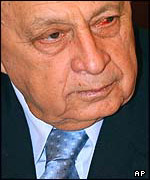
| | Monday, 10 February, 2003, 21:30 GMT Israel shuts down Palestinian areas  Violence has continued in the West Bank and Gaza Strip The Israeli army has imposed a complete closure of the West Bank and Gaza Strip, banning all Palestinians from entering Israel, the Israeli defence ministry has said.
The ministry said it would ease restrictions for workers to enter the country, and would permit Palestinians more than 45 years old to enter the Old City of Jerusalem to pray during the Muslim Feast of the Sacrifice holiday, the Associated Press news agency reported. Complete shutdowns are unusual, despite Israel frequently restricting Palestinian movement following suicide attacks. The announcement came as violence continued in the two Palestinian-controlled areas, and Prime Minister Ariel Sharon's right-wing Likud party officially began coalition talks focused on averting a far-right government. Palestinians killed At least two Palestinians were killed on Monday and three were arrested on suspicion of planning to carry out suicide bomb attacks.
In the West Bank town of Nablus, Israeli troops shot dead a member of the armed wing of the Popular Front for the Liberation of Palestine (PFLP) in a pre-dawn raid. In other operations in the West Bank, Israeli soldiers detained three "would-be Palestinian suicide bombers" and detonated a belt packed with 20 kg (44 lb) of explosives, the army said in a statement. Violence also flared in the Gaza Strip, as Israeli troops shot dead an armed Palestinian near the Jewish settlement of Netzarim, military sources said. Coalition talks On Sunday, Mr Sharon was formally invited by Israeli President Moshe Katsav to begin putting together a government after winning last month's election. Mr Sharon has continued to court the centre-left Labour Party, but it seems unlikely Labour's dovish leader, Amram Mitzna, will renege on a pledge to stay out of a Sharon government. Labour turned down Sharon's invitation to attend the first round of talks on Monday, saying there was no common ground. "The problem is not technical or administrative. The problem is the content," Mr Mitzna told Israeli radio. Mr Sharon's Likud party won most seats in the elections on 28 January - but it is short of an overall majority. The prime minister has said he would prefer a national unity government with Labour - but Mr Mitzna wants Mr Sharon to agree to begin evacuating Jewish settlements and make fundamental changes to the state budget. Mr Sharon's other option is a coalition with right-wing and religious parties. On Sunday, it was confirmed that Mr Sharon had held his first direct talks with senior Palestinians for nearly a year shortly after his election victory. Mr Sharon's chief of staff Dov Weisglass was due to meet Palestinian Interior Minister Hani-al-Hassan on Monday, but no information on such talks has been released. | |
See also:  10 Feb 03 | Middle East 18 Feb 03 | Middle East 06 Feb 03 | Middle East 07 Feb 03 | Middle East 13 Feb 03 | Middle East Internet links: The BBC is not responsible for the content of external internet sites Top Middle East stories now: Links to more Middle East stories are at the foot of the page. | ||||||||||||||||||||||||||||||||||||||||||||||||||||||||||||||||||||||||||||||||||||||||||||||||||||||||||||||||||||||||||||||||||||||||||||||||||||||||||||||||||||||||||||||||
 | |
|  E-mail this story to a friend E-mail this story to a friend |
| |
| Links to more Middle East stories |
| | | ||
 | ||||
 | | Back to top
| ||
| ---------------------------------------------------------------------------------- To BBC Sport>> | To BBC Weather>> | To BBC World Service>> ---------------------------------------------------------------------------------- © MMIII | News Sources | Privacy |