
|
 |
 | | | | | | |||||||||||||||||||||||||||||||||||||||||||||||||||||||||||||||||||||||||||||||||||||||||||||||||||||||||||||||||||||||||||||||||||||||||||||||||||||||||||||||||||||||||||||||||||||||||||||||||||||||||||||||||||||||||||||||
| | | You are in: Middle East | |||||||||||||||||||||||||||||||||||||||||||||||||||||||||||||||||||||||||||||||||||||||||||||||||||||||||||||||||||||||||||||||||||||||||||||||||||||||||||||||||||||||||||||||||||||||||||||||||||||||||||||||||||||||||||||||||
|
| | Friday, 24 January, 2003, 17:38 GMT Analysis: What does US want from war?  The US is prepared to go it alone if necessary
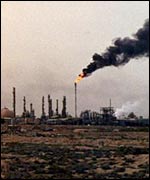
What does the US really want out of a war with Iraq? Some would say oil. The Middle East has 65% of the world's oil reserves. The US consumes 30% of the world's oil.
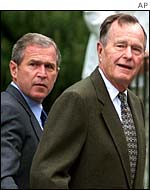
But if you want to understand what motivates these men, you must look beyond these phrases. For better or worse, oil is the lifeblood of the American economy and the US certainly believes it must keep the flow of oil going. But it is not intending to do it by military occupation. Long-term military domination (apart from being unrealistic) is a very inefficient and extremely costly method of getting your way. Changing priorities In the last Gulf War, stability was the top priority for George Bush senior. He set a limited military objective of pushing Saddam out of Kuwait and at the urging of the other Arab regimes, he agreed not to rock the boat by driving on to Baghdad and overthrowing him. All that changed on 11 September. This George Bush is no longer willing to let weapons of mass destruction remain in the middle of such a volatile region. And he is no longer willing to let a man who has used those weapons against his own people and others remain in power. This is a fundamental difference between Bush and his father.
It does not matter to them whether or not the inspectors find a "smoking gun". This administration believes that, in this new world, it can not risk letting a man like Saddam remain in power, in that part of the world, with these kind of weapons. But their agenda extends beyond Saddam. What America wants is a more democratised Middle East as a bulwark against the spread of fundamentalism. It believes that inserting a democratic, western-leaning government in Iraq will encourage others in the region to democratise. 'March of democracy' The not-so-subtle subtext to an invasion of Iraq is to send a serious shiver down the spine of every Arab ruler:
White House officials like to point out that not a single member of the Arab League is a true democracy. Condoleezza Rice believes that the fall of Saddam Hussein will inspire a "march of democracy" across the Middle East. So, people are right when they say there is an ulterior motive to an attack on Iraq. But it is not military occupation. It is about denying radical Islamic groups access to weapons of mass destruction, oil reserves and control of the Middle East. In the end, it does come down to oil. Naturally, Bush's friends in the oil business will benefit from a "Pax Americana" in Iraq. But - so they believe - millions of ordinary Arabs will enjoy greater freedom and more access to power in their own countries. Fanciful? Maybe. But this administration is determined to try. It is prepared to withstand the temporary outrage of the international community along the way. And if necessary, it is prepared to do it alone. | |
See also:  24 Jan 03 | Middle East 23 Jan 03 | Middle East 22 Jan 03 | Europe 23 Jan 03 | Middle East 21 Jan 03 | Business 23 Jan 03 | Middle East 23 Jan 03 | Middle East Internet links: The BBC is not responsible for the content of external internet sites Top Middle East stories now: Links to more Middle East stories are at the foot of the page. | |||||||||||||||||||||||||||||||||||||||||||||||||||||||||||||||||||||||||||||||||||||||||||||||||||||||||||||||||||||||||||||||||||||||||||||||||||||||||||||||||||||||||||||||||||||||||||||||||||||||||||||||||||||||||||||||
 | |
|  E-mail this story to a friend E-mail this story to a friend |
| |
| Links to more Middle East stories |
| | | ||
 | ||||
 | | Back to top
| ||
| ---------------------------------------------------------------------------------- To BBC Sport>> | To BBC Weather>> | To BBC World Service>> ---------------------------------------------------------------------------------- © MMIII | News Sources | Privacy |








 TALKING POINT
 Fuelling action?


