|
 |
 | | | | | | ||||||||||||||||||||||||||||||||||||||||||||||||||||||||||||||||||||||||||||||||||||||||||||||||||||||||||||||||||||||||||||||||||||||||||||||||||||||||||||||||||||||||||||||||||||||||||||||||||||||||||||||||||||||||||||||||||||||||||||||||||||||||||
| | | You are in: Middle East | ||||||||||||||||||||||||||||||||||||||||||||||||||||||||||||||||||||||||||||||||||||||||||||||||||||||||||||||||||||||||||||||||||||||||||||||||||||||||||||||||||||||||||||||||||||||||||||||||||||||||||||||||||||||||||||||||||||||||||||||||||||||||||||
|
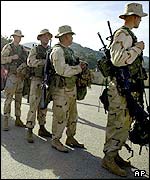
| | Tuesday, 21 January, 2003, 15:48 GMT Saddam regime weakening says Blair  Britain's huge deployment surprised experts Saddam Hussein's regime in Iraq is weakening under growing military pressure, according to UK Prime Minister Tony Blair.
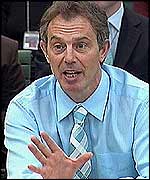
Speaking after both the UK and US announced new troop deployments to the Gulf, Mr Blair said he reserved the right to join in military action, even if a UN Security Council member vetoed such a move. Earlier, the French Foreign Minister, Dominique de Villepin, said that nothing so far justified military action and he did not rule out a French veto. President George Bush said the Iraqi leader was not disarming, but "delaying and deceiving". "It's like a rerun of a bad movie," he said. The Egyptian president, Hosni Mubarak, and the Saudi Foreign Minister, Prince Saud al-Faisal, are holding talks in Cairo designed to find a diplomatic solution to the Iraq crisis. Prince Saud al-Faisal is also seeing the Egyptian Foreign Minister, Ahmed Mayer, and both have issued denials that they are considering a way for President Saddam to leave Iraq. These came amid persistent reports that Arab nations are putting together a proposal for President Saddam to go into exile, with his family and the regime's top officials, says the BBC's Middle East correspondent, Paul Wood. 'Only way out' Mr Blair said failure to deal with the proliferation of weapons in Iraq would send the wrong message to other countries, including North Korea. "The one thing that is very obvious is that as a result of the military build-up and as a result of the determination to see this thing through, the regime in Iraq and Saddam are weakening," he said. Mr Blair repeated his view that it would be "highly desirable" to have a second UN resolution before taking military action.
But he said that if UN weapons inspectors concluded that the Iraqi leader was in breach of Security Council resolutions and "somebody puts down an unreasonable veto", action should still follow.
"There is no other way out for Saddam... other than disarming," he said. Mr Blair said that 27 January - when the inspectors are due to report to the UN Security Council - was not necessarily the key date. The January report is seen as a key milestone in the campaign to disarm Iraq. Military build-up The US has announced it is to send nearly 37,000 personnel to the Gulf in addition to the 62,000 troops ordered to mobilise earlier this month.
There are currently some 57,000 US personnel already in the region. On Monday, Britain also announced a major deployment to the region of 26,000 troops. More time But clear divisions are surfacing within the UN Security Council. Mr de Villepin insisted that the inspectors must be allowed to complete their work. "We believe that, today, nothing justifies military action," he said. "It is possible for us to make progress on the path of Iraq disarmament through co-operation and inspections." China and Russia, both permanent members, say the inspectors should be given more time. But US patience with Iraq appears to be wearing thin. Secretary of State Colin Powell told the UN Security Council that it should not be scared into "impotence" when it came to dealing with Iraq. One of the leaders of the UN inspection teams for Iraq, Mohamad ElBaradei, says the teams are only half way through their work. Speaking in Athens, Mr ElBaradei said that both he and chief inspector Hans Blix would make this clear to the Security Council next week. | |
See also:  21 Jan 03 | Europe 21 Jan 03 | Middle East 21 Jan 03 | UK 21 Jan 03 | Business 20 Jan 03 | UK 20 Jan 03 | Europe 19 Jan 03 | Middle East 20 Jan 03 | Middle East Internet links: The BBC is not responsible for the content of external internet sites Top Middle East stories now: Links to more Middle East stories are at the foot of the page. | ||||||||||||||||||||||||||||||||||||||||||||||||||||||||||||||||||||||||||||||||||||||||||||||||||||||||||||||||||||||||||||||||||||||||||||||||||||||||||||||||||||||||||||||||||||||||||||||||||||||||||||||||||||||||||||||||||||||||||||||||||||||||||
 | |
|  E-mail this story to a friend E-mail this story to a friend |
| |
| Links to more Middle East stories |
| | | ||
 | ||||
 | | Back to top
| ||
| ---------------------------------------------------------------------------------- To BBC Sport>> | To BBC Weather>> | To BBC World Service>> ---------------------------------------------------------------------------------- © MMIII | News Sources | Privacy |





 They are rattled, they are weakening, we are getting a massive amount of intelligence... as to what is happening in Iraq