|
 |
 | | | | | | |||||||||||||||||||||||||||||||||||||||||||||||||||||||||||||||||||||||||||||||||||||||||||||||||||||||||||||||||||||||||||||||||||||||||||||||||||||||||||||||||||||||||||||||||||||||||||||||||||||||||||||||||||||||||||||||||||||||||||
| | | You are in: Middle East | |||||||||||||||||||||||||||||||||||||||||||||||||||||||||||||||||||||||||||||||||||||||||||||||||||||||||||||||||||||||||||||||||||||||||||||||||||||||||||||||||||||||||||||||||||||||||||||||||||||||||||||||||||||||||||||||||||||||||||||
|
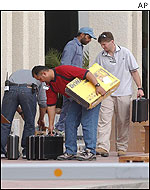
| | Tuesday, 26 November, 2002, 10:39 GMT UN inspectors demand evidence  Inspectors are back in Iraq after four years The chief United Nations weapons inspector has warned that Iraq must provide "convincing" proof to back up its claim that it no longer has weapons of mass destruction.
He was speaking after UN inspectors returned to Baghdad for the first time in four years with a sweeping mandate to search sites formerly off-limits. US Deputy Secretary of State Richard Armitage, insisted in an interview for the BBC that Iraq was concealing nuclear, biological or chemical weapons programmes. For Mr Blix, fresh from meetings in Baghdad, the onus is on Iraq to prove the contrary. "If the Iraqi side were to state - as it still did at our meeting - that there were no such programmes, it would need to provide convincing documentary or other evidence," he said. Pretext denied Mr Armitage, whose country proposed the latest UN resolution along with Britain, said he was sure the Iraqis were still hiding weapons as Saddam Hussein had lied before and would do so again.
The British parliament on Monday approved a government motion expressing full support for the UN Security Council's resolution enforcing weapons inspections on Iraq. An earlier proposal that would have required specific parliamentary approval before committing any British forces to an attack on Iraq was defeated. The UN Security Council has meanwhile extended its humanitarian programme for Iraq for just nine days after Washington refused to renew the plan for six months. Rigorous searches The inspectors' return comes less than three weeks after the UN passed its resolution, which compels Iraq to give up its chemical, biological and nuclear weapons or face "serious consequences".
On Tuesday, inspectors are expected to meet the head of the Iraqi National Monitoring Directorate, Hussam Mohammed Amin. The 17-strong team is due to begin inspections on Wednesday - focusing first on sites visited by earlier teams to check if equipment left there is still working. Melissa Fleming, a spokeswoman for the International Atomic Energy Agency which is providing some of the inspectors, said: "We have had a lot of promises of co-operation and we believe that is a good start but we have suspicious minds." Under the new resolution, the inspectors can carry out more rigorous searches for suspect material than ever before and even the mostly Muslim country's mosques could now be searched. The last UN weapons inspectors left Iraq in December 1998, shortly before American-led strikes on the country. The experts - six from the IAEA and 11 from the commission charged with searching for other banned weapons - are expected to begin by checking on cameras and other monitoring equipment installed at sites last visited in the 1990s. Eventually there will be 100 inspectors working in Iraq at any one time including biologists, chemists, missile and ordnance experts, engineers and physicists. Iraqi concerns Baghdad has complained that the UN resolution was unfairly designed to catch it out. Iraqi Foreign Minister Naji Sabri said in a letter to UN Secretary General Kofi Annan that the resolution could fasten on any "inaccurate statement" by Iraq as justification for war.
Under the terms of the resolution, Iraq must submit to the UN a full accounting of its weapons programmes by 8 December. The resolution says "false statements or omissions" could be considered a "material breach", which could lead to military action. In Britain, Foreign Secretary Jack Straw began the Iraq debate in the House of Commons by saying that only significant actions by Iraq would constitute a breach of the resolution. Washington has previously suggested that attacks by Iraqi air defences on US and British planes patrolling no-fly zones in the north and the south could constitute a breach. On Monday morning, Iraq reported that its defences had opened fire on allied planes approaching from Kuwait. | |
See also:  26 Nov 02 | Middle East 25 Nov 02 | Media reports 25 Nov 02 | Middle East 25 Nov 02 | Politics Internet links: The BBC is not responsible for the content of external internet sites Top Middle East stories now: Links to more Middle East stories are at the foot of the page. | |||||||||||||||||||||||||||||||||||||||||||||||||||||||||||||||||||||||||||||||||||||||||||||||||||||||||||||||||||||||||||||||||||||||||||||||||||||||||||||||||||||||||||||||||||||||||||||||||||||||||||||||||||||||||||||||||||||||||||
| |
|  E-mail this story to a friend E-mail this story to a friend |
| |
| Links to more Middle East stories |
| | | ||
 | ||||
 | | Back to top
| ||
| ---------------------------------------------------------------------------------- To BBC Sport>> | To BBC Weather>> | To BBC World Service>> ---------------------------------------------------------------------------------- © MMIII | News Sources | Privacy |