|
 |
 | | | | | | |||||||||||||||||||||||||||||||||||||||||||||||||||||||||||||||||||||||||||||||||||||||||||||||||||||||||||||||||||||||||||||||||||||||||||||||||||||||||||||||||||||||||||||||||||||
| | | You are in: Middle East | |||||||||||||||||||||||||||||||||||||||||||||||||||||||||||||||||||||||||||||||||||||||||||||||||||||||||||||||||||||||||||||||||||||||||||||||||||||||||||||||||||||||||||||||||||||||
|
| | Sunday, 3 November, 2002, 18:46 GMT Saudis snub US over Iraq attack 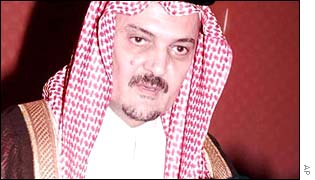 Prince Saud wants a political solution to the crisis Saudi Arabia says it will not allow the United States to use its facilities for any attack against neighbouring Iraq, even if a strike was sanctioned by the United Nations.
Foreign Minister Saud al-Faisal, who has in the past indicated that the Americans could use bases in Saudi Arabia for an attack on Iraq if it was sanctioned by the UN, ruled out such a move. "We will abide by the decision of the United Nations Security Council and we will co-operate with the Security Council," he told CNN. "But as to entering the conflict or using facilities... that is something else." He added: "Our policy is that if the United Nations takes a decision... it is obligatory on all signatories to co-operate, but that is not to the extent of using facilities in the country or the military forces of the country." His remarks were the strongest Saudi rejection to date of any assistance in a possible US attack on Iraq. Weapons inspectors Saudi Arabia is a key US ally in the region, but relations have cooled recently.
Prince Saud said the kingdom wanted a political resolution to the Iraq crisis and that Baghdad had made a "very clear and unambiguous promise" to Arab states that it would abide by UN resolutions. The US is looking to bring an end to Iraqi President Saddam Hussein's rule, accusing him of pursuing weapons of mass destruction, and has threatened military action. The UN is seeking a resolution to allow its weapons inspectors back into Baghdad after a four-year absence. Iraq denies the US accusations and has agreed to the return of arms inspectors. Air space Saudi Arabia was a launch pad for the US-led Gulf War in 1991 that drove Iraqi troops out of Kuwait after a seven-month occupation. Washington could launch an attack on Iraq without using bases inside Saudi Arabia, but the air campaign would be more difficult if the US could not at least use Saudi air space. The Saudi foreign minister said the fate of Saddam should be decided by the Iraqi people and warned against a long-term US military presence in Iraq. "You can never make a permanent change through occupation by foreign forces," he said. | |
See also:  03 Nov 02 | Middle East 02 Nov 02 | Americas 01 Nov 02 | Middle East 31 Oct 02 | Middle East 18 Sep 02 | Middle East 28 Aug 02 | Middle East 02 Nov 02 | Country profiles Internet links: The BBC is not responsible for the content of external internet sites Top Middle East stories now: Links to more Middle East stories are at the foot of the page. | |||||||||||||||||||||||||||||||||||||||||||||||||||||||||||||||||||||||||||||||||||||||||||||||||||||||||||||||||||||||||||||||||||||||||||||||||||||||||||||||||||||||||||||||||||||
| |
|  E-mail this story to a friend E-mail this story to a friend |
| |
| Links to more Middle East stories |
| | | ||
 | ||||
 | | Back to top
| ||
| ---------------------------------------------------------------------------------- To BBC Sport>> | To BBC Weather>> | To BBC World Service>> ---------------------------------------------------------------------------------- © MMIII | News Sources | Privacy |