|
 |
 | | | | | | |||||||||||||||||||||||||||||||||||||||||||||||||||||||||||||||||||||||||||||||||||||||||||||||||||||||||||||||||||||||||||||||||||||||||||||||||||||||||||||||||||||||||||||||||||||||||||||||||||||||||||||||||||||||
| | | You are in: Middle East | |||||||||||||||||||||||||||||||||||||||||||||||||||||||||||||||||||||||||||||||||||||||||||||||||||||||||||||||||||||||||||||||||||||||||||||||||||||||||||||||||||||||||||||||||||||||||||||||||||||||||||||||||||||||||
|
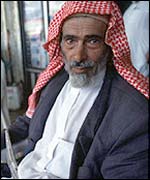
| | Wednesday, 28 August, 2002, 16:28 GMT 17:28 UK Troubled times for US-Saudi ties 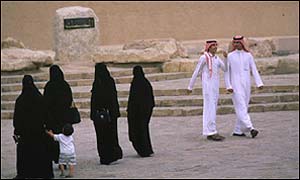 Saudi culture is often misrepresented, some Saudis say
Relations between the United States and Saudi Arabia are at their lowest ebb since the 1973 oil crisis. A groundswell of anti-Saudi sentiment has swept America. The public, noting that the majority of the 11 September hijackers were of Saudi origin, has seen little evidence that the government in Riyadh has been taking action against al-Qaeda.
But another side effect is that liberal voices in Saudi Arabia, keen to reform the country's political system, are seeing their efforts undermined. In the more moderate sections of the Saudi media, journalists have experienced this growing atmosphere of hostility first hand. Khaled al-Maeena, editor of the English-language Arab News, has been receiving hate emails from US readers of his paper's website. Hate mail "We'll be using the dead bodies of your children, the children of Allah, to grease the treads of our tanks - your spread of lies and terror is coming to an end," reads one message. "We're going to nuke Mecca, we're going to really destroy you guys, you camel jockeys," says another.
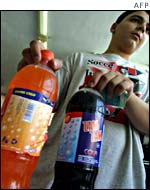
"At its peak we were receiving 1,000 hate mails a day," says Mr al-Maeena. "It's tapered down [but] as 11 September is approaching, the hate mail number is on the rise. "It's sad because there is extremism, there are Muslim extremists, but you cannot apply the principle of collective guilt." That is what most Saudis you talk to feel America is doing - blaming the whole country for 11 September. Many are responding by boycotting US products. "It's a media campaign against all Arabs, not just Saudis ... now I won't buy anything American," a man at a cafe on the outskirts of the capital, Riyadh, told me. "I first stopped buying American because of its support for Israel," said another, "but now with all the attacks on Saudis, it's another reason." Boycott deepens In places the boycott is having a significant impact, as I found in Euro Marche, a Riyadh hypermarket selling everything from cucumbers to computers.
The general manager Adil al-Habib explained: "I'll give you an example. We broke the world record of selling Pepsi cans in one day - 30,000 Pepsi cases. "And we have sold more than 200,000. "This year we don't expect to sell for the whole year more than 50,000 cases. Yes there are price changes but the drop is not because of the price, the drop I believe has to do with the boycott.
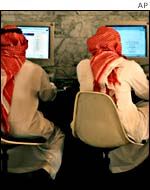
Sales of many other US goods are down at least 50%, he says. Every day, Mr Habib's staff find price tags that have been defaced with messages demanding that the store stop stocking American products. Many Saudis are still driving around in their big American cars and using US computers so this boycott clearly has its limits. In any case, even a long-term Saudi boycott would not even dent America's huge economy. 'Natural response' More serious though would be Saudis withdrawing their investments, and some believe that could happen more and more. Professor of Politics at King Abdullah Aziz University in Jeddah, Waheed Hamza Hashim, says: "This is a natural response."
"If America keeps threatening to freeze our assets in its banks, when you have lots of problems in getting a visa, and when you go to America they have the right to detain you just like a terrorist even if you are not. Professor Hashim says he is against such action, but adds that liberals like himself are increasingly on the defensive. "Every Sunday we have a big gathering in my house in which lots of my friends - they are doctors, they are professors at the university, lawyers, Ministry of Interior - and they all have this moderate mentality and they say it is hard for us. "We have become very [much of a] minority, because the Americans are attacking everything and because America is really trying to get the Saudis." Pressure Khaled al-Maeena feels under the same pressure, but says Saudi Arabia could help itself by opening up more: "Let people come and see that Saudi Arabia has got nothing to hide and see the average Saudi on the street, who is just like 'Jo Six Pack' in the United States or the guy who goes to the Saturday football in England.
"Most of the things that are written about Saudi Arabia are third-hand and fourth-hand. "This is what's happening with the hate mail writers, who have never met a Muslim, or a Saudi, or an Arab and are now condemning us and I have always asked them to come and visit us." The trouble is, calmer voices like this are being drowned out in the US and other Western countries. In Jeddah, diplomats say the Saudis are doing more to tackle al-Qaeda than they are being given credit for, and that US media attacks are over the top. But with so much bad blood in the air, they say, no-one wants to listen, especially in America. | |
See also:  11 Aug 02 | Middle East 22 Aug 02 | Business 21 Aug 02 | Business 16 Aug 02 | Middle East Internet links: The BBC is not responsible for the content of external internet sites Top Middle East stories now: Links to more Middle East stories are at the foot of the page. | |||||||||||||||||||||||||||||||||||||||||||||||||||||||||||||||||||||||||||||||||||||||||||||||||||||||||||||||||||||||||||||||||||||||||||||||||||||||||||||||||||||||||||||||||||||||||||||||||||||||||||||||||||||||
| |
|  E-mail this story to a friend E-mail this story to a friend |
| |
| Links to more Middle East stories |
| | | ||
 | ||||
 | | Back to top
| ||
| ---------------------------------------------------------------------------------- To BBC Sport>> | To BBC Weather>> | To BBC World Service>> ---------------------------------------------------------------------------------- © MMIII | News Sources | Privacy |