|
 |
 | | | | | | ||||||||||||||||||||||||||||||||||||||||||||||||||||||||||||||||||||||||||||||||||||||||||||||||||||||||||||||||||||||||||||||||||||||||||||||||||||||||||||||||||||||||||||||||||||||||||||||||||||||||||||||||||||||||||||||||||||||
| | | You are in: Middle East | ||||||||||||||||||||||||||||||||||||||||||||||||||||||||||||||||||||||||||||||||||||||||||||||||||||||||||||||||||||||||||||||||||||||||||||||||||||||||||||||||||||||||||||||||||||||||||||||||||||||||||||||||||||||||||||||||||||||||
|
| | Monday, 9 September, 2002, 23:23 GMT 00:23 UK Reporters visit suspect Iraqi sites 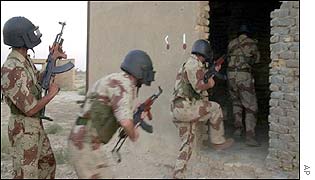 Anti-terrorism forces were seen training at Salman Pak The Iraqi authorities have taken foreign journalists on tours of a former nuclear facility and a site alleged by dissidents to be a terrorist training camp. Monday's two visits bring to six the number of escorted tours in the last month, as Baghdad attempts to disprove claims that it is continuing to develop weapons of mass destruction.
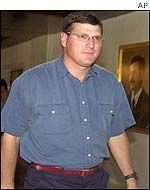
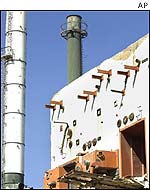
Reporters were taken to the Al-Tammuz reactor in Al-Toweitheh, 40 kilometres (25 miles) south of Baghdad, at which the UN says there has been unexplained activity. The Iraqis claim it is used for pharmaceutical research. They were also given unprecedented access to the Salman Pak site, 40 km east of Baghdad, alleged by Iraqi defectors to have been used for training Islamic militants. 'No terrorism training' The former UN weapons inspector Scott Ritter accompanied the journalists to Salman Pak.
The journalists were shown an old Iraqi plane abandoned in a field, which Mr Ritter said was used by Iraqi security forces to train for rescuing passengers from hijacked planes. "Any nation that has an airline industry trains people to rescue those who have been on aircraft that have been hijacked," he said. "If there is a time and a place to go to war I will be there," he said. "But I am not going to go to war based on a fabrication, especially from politically motivated Iraqi defectors who intend to misuse the tragedy of 11 September by saying somehow those who perpetrated that crime were trained here." 'Completely destroyed' At al-Toweitheh, reporters saw piles of debris and damaged equipment.
Reporters were taken inside buildings dating from 1994, where they saw the production of medical kits for treatment of kidney and liver diseases, and laboratories which officials said were used for agricultural research. Iraqi officials have again and again claimed that Iraq does not have the desire or the capability to build weapons of mass destruction. They say the leadership is to focus on rebuilding the country, which has been hard hit by more than a decade of sanctions. But there have been no weapons inspectors in Iraq since 1998 to verify or refute the Iraqi claims. | |
See also:  09 Sep 02 | Americas 09 Sep 02 | Middle East 09 Sep 02 | Americas 06 Sep 02 | In Depth Internet links: The BBC is not responsible for the content of external internet sites Top Middle East stories now: Links to more Middle East stories are at the foot of the page. | ||||||||||||||||||||||||||||||||||||||||||||||||||||||||||||||||||||||||||||||||||||||||||||||||||||||||||||||||||||||||||||||||||||||||||||||||||||||||||||||||||||||||||||||||||||||||||||||||||||||||||||||||||||||||||||||||||||||
| |
|  E-mail this story to a friend E-mail this story to a friend |
| |
| Links to more Middle East stories |
| | | ||
 | ||||
 | | Back to top
| ||
| ---------------------------------------------------------------------------------- To BBC Sport>> | To BBC Weather>> | To BBC World Service>> ---------------------------------------------------------------------------------- © MMIII | News Sources | Privacy |