|
 |
 | | | | | | ||||||||||||||||||||||||||||||||||||||||||||||||||||||||||||||||||||||||||||||||||||||||||||||||||||||||||||||||||||||||||||||||||||||||||||||||||||||||||||||||||||||||||||||||||||||||||||||
| | | You are in: Middle East | ||||||||||||||||||||||||||||||||||||||||||||||||||||||||||||||||||||||||||||||||||||||||||||||||||||||||||||||||||||||||||||||||||||||||||||||||||||||||||||||||||||||||||||||||||||||||||||||||
|
| | Monday, 9 September, 2002, 13:05 GMT 14:05 UK Iraq weapons report 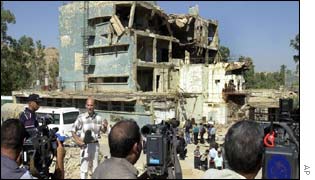 Iraq strives to deny claims it has active nuclear sites
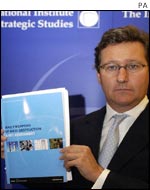
The assessment from the International Institute for Strategic Studies (IISS) in London that Iraq could develop a nuclear weapon ''within months'' contains a big ''if''. The report acknowledges that Iraq would need to obtain supplies of fissile material (plutonium or bomb grade uranium) from abroad to make a bomb that quickly. Developing its own capability to enrich uranium ''could take years'', according to the report's editor, Gary Samore, a senior fellow at the IISS. Other published reports agree. The British Government in 1998 said five years; so did the Defence Department in Washington in 2001. 'Low probability' So the immediacy of a threat from an Iraqi nuclear weapon depends on its ability to get hold of black market material.
Mr Samore said Iraq had made attempts to get such material but there had been no reports it had been successful. There was, he accepted, a ''low probability'' of Iraq getting its hands on the necessary ingredients (from elements in the former Soviet Union, for example, or a rogue government) but that if it did, then it could move quite fast to completion of a device. It had been close to doing so, he said, in 1991 when it was stopped by the Gulf War. In fact, the former UN weapons inspector, Scott Ritter, who has been in Iraq over the past few days arguing against an invasion, told the US Congress in 1998 that Iraq could have a nuclear bomb "in days or weeks" if it had the fissile material. Scuds a threat The IISS report contains little that is significantly new beyond reports previously published by other think tanks, by the UN and by both the US and British governments.
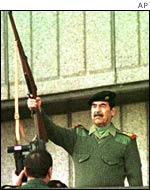
It concludes that, other than an ambition to rebuild a nuclear capability, Saddam Hussein still has chemical and biological weapons and that he has some Scud missiles that could hit neighbouring countries. However, it provides no evidence that he has managed to build rockets which could reach Europe. What is new, and what drew journalists by the dozen to the IISS for the launch of the report, is the context in which it is being produced - the context of threats against Iraq. Other reports have been produced at regular intervals over the past few years - most have been of interest to experts only. Opposed factions Now, with the US and UK governments on the warpath, this report will be used both by pro- and anti-war factions.
Those who argue that Iraq must be stopped will point to the report's conclusions that Baghdad could make a nuclear bomb. For them, the Iraqi president's intention is the key. It's not what he has done but what he wants to do. For those opposed to military action, the key issue is that Saddam Hussein has not made much progress, especially on nuclear weapons and on ballistic missiles, and we knew anyway that he probably retained stocks of chemical and biological agents. For this faction, the president's ability is the key. It's not what he is trying to do but what he can do. They say that there is time to develop other strategies - a new inspection programme, for example, and deterrence, which worked during the Gulf War in stopping Iraq from launching any chemical or biological weapons. The IISS team tends to the warlike faction. Mr Samore said that controls on fissile material could be effective in slowing down Iraq's efforts, but there could be no confidence that this would prevent Iraq from developing a nuclear capability. | |
See also:  09 Sep 02 | Politics 09 Sep 02 | Americas 08 Sep 02 | Middle East 07 Sep 02 | Politics 09 Sep 02 | Business Internet links: The BBC is not responsible for the content of external internet sites Top Middle East stories now: Links to more Middle East stories are at the foot of the page. | ||||||||||||||||||||||||||||||||||||||||||||||||||||||||||||||||||||||||||||||||||||||||||||||||||||||||||||||||||||||||||||||||||||||||||||||||||||||||||||||||||||||||||||||||||||||||||||||
| |
|  E-mail this story to a friend E-mail this story to a friend |
| |
| Links to more Middle East stories |
| | | ||
 | ||||
 | | Back to top
| ||
| ---------------------------------------------------------------------------------- To BBC Sport>> | To BBC Weather>> | To BBC World Service>> ---------------------------------------------------------------------------------- © MMIII | News Sources | Privacy |