|
 |
 | | | | | | |||||||||||||||||||||||||||||||||||||||||||||||||||||||||||||||||||||||||||||||||||||||||||||||||||||||||||||||||||||||||||||||||||||||||||||||||||
| | | You are in: In Depth: Denver 2003 | |||||||||||||||||||||||||||||||||||||||||||||||||||||||||||||||||||||||||||||||||||||||||||||||||||||||||||||||||||||||||||||||||||||||||||||||||||||
|
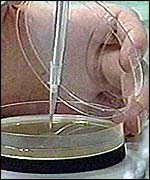
| |  Saturday, 15 February, 2003, 22:39 GMT Saturday, 15 February, 2003, 22:39 GMTNo time left to lose  Optical atomic clock: The first prototypes now exist
The clocks' technology will be used in telecommunications and experiments testing fundamental theories in physics and in probing human diseases. Experts in the field reviewed their progress in producing the next generation of so-called optical atomic clocks at the American Association for the Advancement of Science (AAAS) annual meeting in Denver. They expect the new super-accurate devices to be in routine use in just over a decade. Faster ticks Existing atomic clocks are - to the normal everyday experience - already extremely accurate. After running for more than 15 million years, these devices should lose no more than a second. They count time based on the way caesium atoms jump back and forth between different energy levels. These very regular jumps or "ticks" occur at microwave frequencies and are used to define the second - exactly 9,192,631,770 ticks per second to be precise.
In this device, a super-fast laser is needed to count the far more rapid jumps the mercury ion makes as it moves between energy states - producing about 1.065 quadrillion ticks per second. "We know the clock is very stable, so now our research is focused on seeing exactly how accurate it is," Scott Diddams, a Nist researcher told the AAAS. Experiments suggest this clock may lose only one second in 100 million years. Faster data Now, the trick is to take this technology still further. The difficulty comes in counting faster and faster things, as the division between ticks becomes smaller and smaller. Researchers are hopeful the development of laser counters will push clocks to theoretical billion-year accuracy. According to scientists like Nist's Leo Hollberg, the new technology will allow scientists to investigate some fundamental questions about the Universe, whether Einstein's predictions were correct and how forces like gravity have changed during its turbulent history.
"There are some hints from astronomical observations that they might have in the early Universe - those constants and forces might have been different to what they are now. "By using these clocks, we can put some constraints on that." Super-accurate clock technology could also find a use in biology as scientists try to follow processes inside human cells, watching and timing genes as they switch on and off, which will give new insights into diseases like cancer. There are more prosaic applications as well, speeding up telecommunications and making them more secure from hackers. They should also improve navigation. Every satellite in the GPS system, for example, carries an atomic clock. Nist hopes international partners will adopt the new clock standards in a decade or so. | |
See also:  05 Apr 00 | Science/Nature Top Denver 2003 stories now: Links to more Denver 2003 stories are at the foot of the page. | |||||||||||||||||||||||||||||||||||||||||||||||||||||||||||||||||||||||||||||||||||||||||||||||||||||||||||||||||||||||||||||||||||||||||||||||||||
 | |
|  E-mail this story to a friend E-mail this story to a friend |
|  |
| Links to more Denver 2003 stories |
| | | ||
 | ||||
 | | Back to top
| ||
| ---------------------------------------------------------------------------------- To BBC Sport>> | To BBC Weather>> | To BBC World Service>> ---------------------------------------------------------------------------------- © MMIII | News Sources | Privacy |






 We know the clock is very stable, so now our research is focused on seeing exactly how accurate it is