|
 |
 | | | | | | ||||||||||||||||||||||||||||||||||||||||||||||||||||||||||||||||||||||||||||||||||||||||||||||||||||||||||||||||||||||||||||||||||||||||||||||||||||||
| | | You are in: In Depth: dot life | ||||||||||||||||||||||||||||||||||||||||||||||||||||||||||||||||||||||||||||||||||||||||||||||||||||||||||||||||||||||||||||||||||||||||||||||||||||||||
|
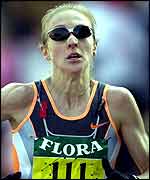
| |  Monday, 23 September, 2002, 10:24 GMT 11:24 UK Monday, 23 September, 2002, 10:24 GMT 11:24 UK The science of sport  Many British endurance runners use pulse monitors
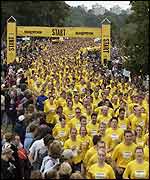
 Some must sure envy the fact that those taking part seem unencumbered by the technology that weighs down the rest of our lives. Competitive sport is raw, undiluted physicality and only muscle decides the outcome. It's as natural as childbirth albeit with slightly less screaming.
Now many competitors pound the roads, bench or pitch festooned with enough technology to make an MIT grad student wince. Some technologies, such as the stopwatch, have been around for a long time but others are only now starting to be used by keen amateurs rather than just elite athletes. Heart-rate monitors are becoming increasingly popular by amateurs keen to monitor their progress, for it is a good guide to show just how hard you are working.
The monitor maker Polar has a sponsorship deal with UK Athletics, and many British endurance athletes - those running distances of 800m and upwards - use them to train. But the monitors can help almost anyone improve, and can provide a useful fillip to flagging motivation, says Nigel Wallace, head of the Fitness Industry Association. "They have value in that they offer a different dimension to training. The more dimensions you have can help maintain your interest." King of the road Programmer Dave Rawlinson is working on a way to make using an exercise bike less of a chore and more of a challenge.
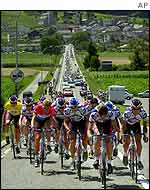
Early testing has drawn an enthusiastic response from cyclists who typically have to make do with a small LCD screen with blinking lights on a bar chart. By contrast, the trainer software lets people compete against each other. "It lets a whole family race against some one else's best time," says Mr Rawlinson. The competitive element does make a difference. "There's good evidence to suggest that where you have very strong visual displays that people will work out 10% harder with the same perceived rate of exertion," says Mr Wallace of the FIA. Watch and learn Those keen for yet more sophisticated training aids can buy video analysis software that monitors progress and points up the flaws.
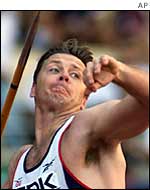
"All we do is slow down what the human eye sees anyway," says Paul Hurrion, head of Quintic. At the highest levels it can spot tiny flaws in technique that, once corrected or compensated for, can give an athlete an edge they otherwise would lack. "With a bit of technical work they can make even bigger leaps and bounds," says Mr Hurrion.
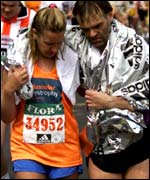
But there are still places where technology cannot reach and the most scientifically informed training will not improve. Those are the moments when character counts, when true grit and determination push past any shortcomings. It is then that you are on your own. | |
See also:  02 Jan 02 | UK 26 Jul 01 | Science/Nature 21 Nov 01 | Health Internet links: The BBC is not responsible for the content of external internet sites Top dot life stories now: Links to more dot life stories are at the foot of the page. | ||||||||||||||||||||||||||||||||||||||||||||||||||||||||||||||||||||||||||||||||||||||||||||||||||||||||||||||||||||||||||||||||||||||||||||||||||||||
| |
|  E-mail this story to a friend E-mail this story to a friend |
|  |
| Links to more dot life stories |
| | | ||
 | ||||
 | | Back to top
| ||
| ---------------------------------------------------------------------------------- To BBC Sport>> | To BBC Weather>> | To BBC World Service>> ---------------------------------------------------------------------------------- © MMIII | News Sources | Privacy |