|
 |
 | | | | | | ||||||||||||||||||||||||||||||||||||||||||||||||||||||||||||||||||||||||||||||||||||||||||||||||||||||||||||||||||||||||||||||||||||||||||||||||||||||||
| | | You are in: In Depth: dot life | ||||||||||||||||||||||||||||||||||||||||||||||||||||||||||||||||||||||||||||||||||||||||||||||||||||||||||||||||||||||||||||||||||||||||||||||||||||||||||
|
| |  Monday, 2 September, 2002, 10:55 GMT 11:55 UK Monday, 2 September, 2002, 10:55 GMT 11:55 UK Our debt to sci-fi 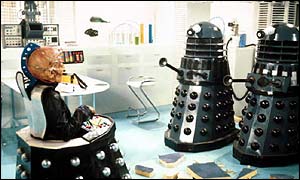 "So this man tried to go upstairs on his Segway..."

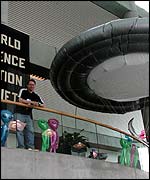
Devotees flocked to Silicon Valley in their thousands from countries around the world to hear from authors what the future will be like and how well they have done at predicting the present when it comes to technological advances. While Isaac Asimov's vision of benign robots has permeated our consciousness as something we wouldn't dream of contradicting, the truth is that their existence in our everyday world has still to be realised. One notable success for Asimov however was his ability to predict how important a role the computer would play in our lives.
"The thing I remember reading about in sci-fi when I was younger was Asimov's view of the computer as a means to isolate but also unite the world. "And of course the internet is what I would see as a direct outcome of the type of thing he was projecting in The Naked Sun." AI Stanley Kubrick's writing was also held up to scrutiny at this convention where many credit his world populated with artificial intelligence as one that is just around the corner. Author Terry Pratchett agrees.
The Worldcon organisers expound the belief that science fiction writing is what inspires scientists and engineers when it comes to turning these imagined gadgets into commercial devices. Spokesman Bert Kempler says: "The reason why science fiction is so popular is because it gives us as a society a mechanism to explore the 'what ifs'. "All the what ifs involving cloning where hammered out a full generation before Dolly was cloned so people had thought about it and were aware of it before it became fact." Future shock Terry Pratchett argues that we already live in a science fiction world and that the future is happening all the time but we don't really notice it.
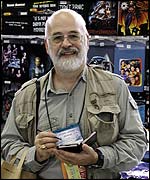
"I'm holding in my other hand now a Palm Pilot computer which probably has more computing power than was on the Apollo 11 spaceship. "We live in a sci-fi future but we have turned it into something normal so that when our modem breaks down and we can no longer get an internet connection we act as if somehow we are in the dark ages whereas in fact 10 years ago everyone managed just fine without it." Outpaced Fellow writer Dr Alastair Reynolds says the challenges he and other writers face is in keeping pace with the advancement of technology. As a scientist for the European Space Agency he is only too aware of how quickly things change.
"If you look at even 20 years ago when speculation about computer science and the power of computers and cybernetic communications reigned, all these things have been outpaced by reality and now predictions 20 years ago look dated. "As a writer you are always trying to make sure you are not made obsolete too quickly." Other significant failures in the crystal ball-gazing department include living on the moon. Louise Kleba says: "When I was a kid I believed in the sci-fi dream that I could one day retire to the moon. And back in the 60's, that seem plausible and reasonable and of course today 40 years later we still aren't doing that. "But I don't feel bad because nobody is going there and I am just going to have to retire to the seaside like everyone else." Do you agree that we have a debt to sci-fi? Is there any particular idea from sci-fi that you would like to come true? Let us know using the form below. The oft-maligned science fiction may be the most important genre in existance. While soaps, police and hospital dramas deal with everyday reality, science fiction deals with dreams - dreams of the future, dreams of new technologies and so forth. Without such dreams, the human race would never have got anywhere. Trekkies frequently hold up the original Star Trek communicator as the prototype for the mobile phone. In fact, Robert Heinlein had described the use of mobile phones 10 years earlier in his novel "Space Cadets". What was it the author Robert Sheckley said...? "The Future doesn't just happen, it creeps up on you, one day at a time...!" Who wouldn't want an Anti gravity belt? I don't understand how anyone who DOESN'T read SF can make sense of the 21st Century - us SF freaks take cloning, life-extension, the moral dilemmas involved in diluting and transferrring 'human-ness' in our stride. The rest of you poor suckers are petrified of the pace of change! If you want to understand the world, forget about reading newspapers or 'modern' fiction, read Philip K Dick. To borrow a line from Douglas Coupland (who worked on the panel of futurists in Minority Report): "Science fiction is good exercise...It's a good little mental trampoline". For every accurate prediction about future life, there are 10 or 20 inaccurate ones. We may very well have mobile phones and personal computers, but where are our aircars, and our jetpacks, and our regular interplanetary flights to the colony on Mars? Science-fiction is, without exception, rooted in the aspirations, hopes and fears of the present. Science fiction 50 years ago was informed by the age of nuclear power and atom bombs, and the threat of nuclear war. Present-day science fiction deals with concerns such as genetic manipulation, pollution and so forth. I'm impatiently waiting for transporters - the lazy man's dream!! | |
Internet links:  The BBC is not responsible for the content of external internet sites Top dot life stories now: Links to more dot life stories are at the foot of the page. | ||||||||||||||||||||||||||||||||||||||||||||||||||||||||||||||||||||||||||||||||||||||||||||||||||||||||||||||||||||||||||||||||||||||||||||||||||||||||
| |
|  E-mail this story to a friend E-mail this story to a friend |
|  |
| Links to more dot life stories |
| | | ||
 | ||||
 | | Back to top
| ||
| ---------------------------------------------------------------------------------- To BBC Sport>> | To BBC Weather>> | To BBC World Service>> ---------------------------------------------------------------------------------- © MMIII | News Sources | Privacy |