|
 |
 | | | | | | ||||||||||||||||||||||||||||||||||||||||||||||||||||||||||||||||||||||||||||||||||||||||||||||||||||||||||||||||||||||||||||||||||||||||||||||||||||||
| | | You are in: In Depth: dot life | ||||||||||||||||||||||||||||||||||||||||||||||||||||||||||||||||||||||||||||||||||||||||||||||||||||||||||||||||||||||||||||||||||||||||||||||||||||||||
|
| |  Monday, 22 July, 2002, 11:38 GMT 12:38 UK Monday, 22 July, 2002, 11:38 GMT 12:38 UK No home for digital pictures? 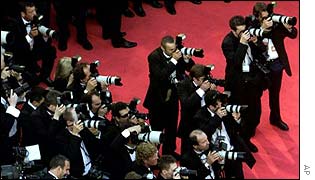 But what happens after the photo is taken?
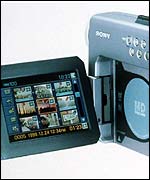
 But few pictures taken with digital cameras are ever printed out - most are stored electronically for viewing on a computer screen.
The digital photos will still exist of course, though not as prints which can be dusted off and passed around. They will instead be collections of ones and zeros on various types of electronic storage media. Obsolete technology The problem is there will be no way to look at them. That's because technology evolves so fast that any storage medium in use today is bound to become obsolete sooner or later. Finding the right equipment to retrieve digital images stored decades previously on obsolete media will become almost impossible. In fact, it turns out that images stored electronically just 15 years ago are already becoming difficult to access. The Domesday Project, a multimedia archive of British life in 1986 designed as a digital counterpart to the original Domesday Book compiled by monks in 1086, was stored on laser discs.
Remember laser discs? And anyone who stored pictures on a still video camera - a forerunner to the digital camera which was available in the late 80s - will find the special two-inch disks that were used to store the images are unreadable in any modern computer. The pictures stored on them are effectively gone for ever. Just as still video camera disks and laser disks have become mere technological curiosities in less than a decade, it's a sure bet than many of the storage media that are used today - cartridges with names like Jaz, Zip, Syquest, Bernoulli, state of the art CD-R and DVD-R discs, and the tiny SmartMedia, Compact Flash, Memory Stick, Secure Digital, Multi Media Card, and MicroDrive storage cards - will be obsolete and hard to access in a few decades' time. I don't like mundanes The only way around this is to transfer pictures from older media to newer ones every few years.
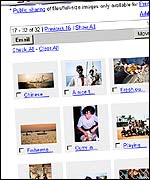
Contrast this with an exposed but undeveloped film. The chemistry of photography has not changed significantly over the years, so there's a good chance of retrieving the latent images on an exposed film that is many years old. One way to reduce the worry about the future accessibility of digital photos is simply to upload them to one of the many free photo gallery websites which store and display users' pictures in online albums. Vested interest Although this does not guarantee that it will always be possible to see them, there is a certain safety in numbers: if enough people have an interest in a particular gallery continuing to make the photos it holds accessible then it's more likely that it will.
Some of these sites even allow you to buy prints of the photos online, or have the images put on to novelty gifts. So while the rise of digital photography could be bad news for anyone interested in looking for photos of their own family, everyone will be able to create their own ideal family photo collection using other people's families by browsing these galleries and assembling one to taste. Pick a few adorable babies, a beautiful spouse, a couple of party pictures and a set of kindly looking grandparents for the perfect family photo album, and for a few pounds more you can even have them printed on a mouse mat or T-shirt to show off to your friends. Do you think digital pictures will be saved in the same way traditional photos are? Any bright ideas to get round the problem of them being lost? Let us know using the form below. Your comments I am new to digital cameras, and I find "deleting" unwanted shots and then printing all that are left no real problem. My secret may be the fact that I am 80 and not in a hurry. I think it's a real problem, and quite a bad one. I have had a digital camera for about 5 years - I have taken loads and loads of pictures with it. They were stored on hard drives - many times I have reinstalled OSs or something and overwritten the files without meaning to, destroying all the photos in the process. I will buy an old fashioned film one again as it's sad losing memories this way. Let us follow God's example: knowing everything, God was aware of the problem you describe. Thus, in his infinite wisdom, God chose to give Moses the 10 commandments on stone, rather than opting for the more fashionable Digital Versatile Disc. Following God's example, I will be chisling my digital pics into stone tablets. Sure, I will still have to contend with the corrosive effects of acid rain and pollution, but at least I know the format will always work. Now if someone would just invent a tablet that floats, I could stop worry about floods. Anyone wanting to preserve their digipics will be the same kind of people who transfered their cine8 to VHS and from VHS to DVD. The problem is that sadly not too many people will do this until it is too late. I am transferring all my digipics to DVD for viewing on a TV/PC but at least with digital quality is never lost. Although technology will move on, the data will be able to be recovered. There will be laserdisc readers that will be able to be adjusted to read at differing speeds and sizes. So long as the original spec is stored somwhere they will be able to be read I remember the 80s Domesday Project. Yes, it's hard to see how photos are going to remain in existence. I suppose we should buy printers and make sure we have paper copies of our photos.. I took part in the Domeday Project and some of my photographs are stored there. Its a good job I still have the old fashioned colour slides kept in boxes. This is just a temporary bump in the road. Digital storage is becoming so cheap that files will never need to be deleted. In a few years time most of your documents will be stored remotely and the files can just be archived rather than destroyed. Have faith in the technology :) | |
Top dot life stories now:  Links to more dot life stories are at the foot of the page. | ||||||||||||||||||||||||||||||||||||||||||||||||||||||||||||||||||||||||||||||||||||||||||||||||||||||||||||||||||||||||||||||||||||||||||||||||||||||
| |
|  E-mail this story to a friend E-mail this story to a friend |
|  |
| Links to more dot life stories |
| | | ||
 | ||||
 | | Back to top
| ||
| ---------------------------------------------------------------------------------- To BBC Sport>> | To BBC Weather>> | To BBC World Service>> ---------------------------------------------------------------------------------- © MMIII | News Sources | Privacy |