|
 |
 | | | | | | |||||||||||||||||||||||||||||||||||||||||||||||||||||||||||||||||||||||||||||||||||||||||||||||||||||||||||||||||||||||||||||||||||||||||||||||||||||||
| | | You are in: In Depth: dot life | |||||||||||||||||||||||||||||||||||||||||||||||||||||||||||||||||||||||||||||||||||||||||||||||||||||||||||||||||||||||||||||||||||||||||||||||||||||||||
|
| |  Monday, 3 June, 2002, 11:26 GMT 12:26 UK Monday, 3 June, 2002, 11:26 GMT 12:26 UK How would we answer the phone if ET called us?
 Until now however little thought has been given to what we would actually say if we encountered ET. Should it be more than a simple intergalactic "Hi there. What's your name?"
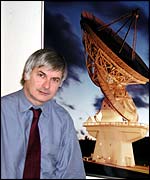
Dr Vakoch works for the Seti Institute based in California's Silicon Valley. It's a non-profit group conducting the world's most comprehensive search for extraterrestrial intelligence. The "messaging" question is one step ahead of the game but nonetheless closely allied to this quest.
A protocol devised by the International Academy of Astronautics states "no response to a signal or other evidence of extraterrestrial intelligence should be sent until appropriate international consultations have taken place". But Seti feels not having something in the can in case ET does suddenly call would be foolish. So with the maxim that first impressions count, Seti's interstellar message group leader has been mulling over the pros and cons of what to say in any possible cosmic chat.
The language is also important and Dr Vakoch says: "The key is to think in many different languages and many different formats, like pictures or a language based on the universal language of maths or logic." Right thing While Dr Vakoch weighs up the right thing to say and how to say it, over the years others have already dived in in the hope ET is listening.
Some of the many fruitless efforts include beaming a message to a star cluster 25,000 light years away showing the figure of a man, a telescope, numbers, DNA and the solar system. Another was a record of sights and sounds of Earth including music from Bach to Chuck Berry that were put on the Voyager spacecraft. All these communiqu�s were created with the best of intentions but Dr Vakoch says they will probably never be read. "The biggest reason that we [Seti] are not searching for ET by transmitting and waiting for a response is that it would take at least 8 years to get one and that's if the closest star has intelligent life on it and is listening and waiting to reply. The reality is its more likely to take hundreds of thousands of years to get a reply. Now by listening for ET and not focusing on transmitting we have the possibility of succeeding tomorrow."
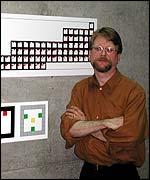
Dr Vakoch says: "We have to start thinking about how we want to be represented. I personally think we should consider including some of our foibles, some of our weaknesses and some of the things we wish we could do better." Basic messages At an exhibition at the Chabot Space and Science Centre in Oakland, California Dr Vakoch has already devised some basic messages that ET would easily understand. They include things like the periodic table written in a universal language using binary numbers and also a picture of two human beings, one holding the other to represent "support and caring". Less prosaic suggestions for chatting with ET were given by school children on a field trip at the centre. One teenager suggested "Come to Earth and let's party" while another warned "Make sure you get plenty of rest before you come because there's a lot to see and if you're sleeping you might miss something". | |
Top dot life stories now:  Links to more dot life stories are at the foot of the page. | |||||||||||||||||||||||||||||||||||||||||||||||||||||||||||||||||||||||||||||||||||||||||||||||||||||||||||||||||||||||||||||||||||||||||||||||||||||||
| |
|  E-mail this story to a friend E-mail this story to a friend |
|  |
| Links to more dot life stories |
| | | ||
 | ||||
 | | Back to top
| ||
| ---------------------------------------------------------------------------------- To BBC Sport>> | To BBC Weather>> | To BBC World Service>> ---------------------------------------------------------------------------------- © MMIII | News Sources | Privacy |