|
 |
 | | | | | | ||||||||||||||||||||||||||||||||||||||||||||||||||||||||||||||||||||||||||||||||||||||||||||||||||||||||||||||||||||||||||||||||||||||||||||||||||||||||||||||||||
| | | You are in: In Depth: Brazil Journey | ||||||||||||||||||||||||||||||||||||||||||||||||||||||||||||||||||||||||||||||||||||||||||||||||||||||||||||||||||||||||||||||||||||||||||||||||||||||||||||||||||||
|
| |  Wednesday, 2 October, 2002, 13:46 GMT 14:46 UK Wednesday, 2 October, 2002, 13:46 GMT 14:46 UK Voting on S�o Paulo's isolated island 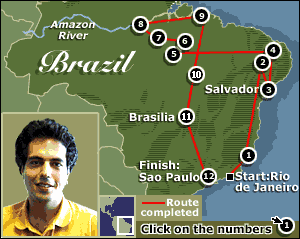 Report 12: S�o Paulo As Brazil gears up for presidential elections starting on 6 October, BBC Brasil's Paulo Cabral has completed a journey through remote mountains, arid countryside and deep jungle to find out what 21st Century politics mean in the Brazil that normally goes unreported. Boror� Island is a district in the southern part of the city of S�o Paulo.
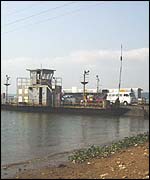
One precarious, barely used road is the only access by land. Two ferries link the district to the cities of S�o Paulo and S�o Bernardo do Campo. Not a single ballot box for the island's 3,000 or so residents will cross the waters. The president of the Association of Residents of Boror�, Eduardo Freire, says that the community has requested its own polling station at the local school numerous times.
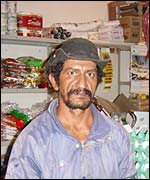
"If voting was not compulsory, I am certain that a lot of people would not go to all that trouble just to vote." Local resident Augusto Silva will face a two-hour journey to get to the polls in Cap�o Bonito in S�o Paulo. "Just to get there, vote and then come home, will take me all day. The journey alone will take me four hours," he said. And he held out little hope for the impact of his vote: "I don't have great faith in politics, I really don't," he said.
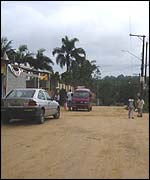
She believes that voters "have a duty to vote, to choose the candidate who best responds to their hopes and who can make a difference for the better". Ms Silva has lived on the island of Boror� for the last 18 years but she has never bothered to transfer her voting registration to Graja�, which is a lot closer. "I have to catch the ferry either way," she said. Isolated The district of Boror� is a peninsula. Buses do not use the road route to it, which crosses marshlands and areas of forest to link the island with the rest of the city.
Emae inherited this obligation 20 years ago from the former state company, Light, when the dam was built and the area flooded. The newly isolated areas had to be guaranteed ferry services provided by the state.
Mr Freire explained that, for example, political campaigning is still a novelty in Boror�. "Until 1994 the candidates did not come here and there were no campaign posters or leaflets in the streets," he recalled. This year, the Association of Residents, has secured new benefits for the community, such as road surfacing, rubbish collection and a post office.
He believes that the effort of bringing the elections into Boror� could help increase the community's interest in politics. "We need public help to develop the district," he said. | |
See also:  20 Aug 02 | Americas 19 Jul 02 | Americas Internet links: The BBC is not responsible for the content of external internet sites Top Brazil Journey stories now: Links to more Brazil Journey stories are at the foot of the page. | ||||||||||||||||||||||||||||||||||||||||||||||||||||||||||||||||||||||||||||||||||||||||||||||||||||||||||||||||||||||||||||||||||||||||||||||||||||||||||||||||||
| |
|  E-mail this story to a friend E-mail this story to a friend |
| |
| Links to more Brazil Journey stories |
| | | ||
 | ||||
 | | Back to top
| ||
| ---------------------------------------------------------------------------------- To BBC Sport>> | To BBC Weather>> | To BBC World Service>> ---------------------------------------------------------------------------------- © MMIII | News Sources | Privacy |