|
 |
 | | | | | | |||||||||||||||||||||||||||||||||||||||||||||||||||||||||||||||||||||||||||||||||||||||||||||||||||||||||||||||||||||||||||||||||||||||||||||||||||||||||||||||
| | | You are in: In Depth: Brazil Journey | |||||||||||||||||||||||||||||||||||||||||||||||||||||||||||||||||||||||||||||||||||||||||||||||||||||||||||||||||||||||||||||||||||||||||||||||||||||||||||||||||
|
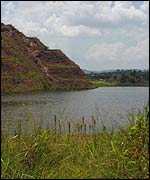
| |  Tuesday, 17 September, 2002, 17:27 GMT 18:27 UK Tuesday, 17 September, 2002, 17:27 GMT 18:27 UK Gold diggers celebrate rights victory 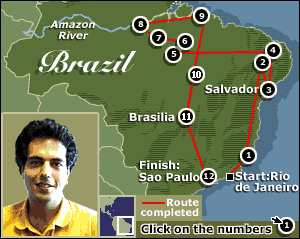 Report six: Serra Pelada As Brazil gears up for presidential elections in October, BBC Brasil's Paulo Cabral travels through remote mountains, arid countryside and deep jungle to find out what 21st Century politics mean in the Brazil that normally goes unreported. The gold prospectors of Serra Pelada have been given back their mining rights after a 10-year legal battle. When gold was found at the Amazonian outpost in the 1980s, "garimpeiros" - small-scale, self-employed gold diggers - flocked to work one of the richest deposits of alluvial gold ever found. The area was controlled by the then state-owned company, Vale do Rio Doce (CVRD).
Seven years later, the rights were revoked. But the garimpeiros fought back. Now, a decade later, the Brazilian Senate has approved a decree giving them access to their original 100 hectares - although much of the most easily accessible gold is long gone. "The important thing is to have the gold garimpo [mine] back," said Joao Lopes, President of the Mining Cooperative of Garimpeiros of Serra Pelada. "It's no use saying that we don't have the technology or even the money to explore that land, because we can do some partnerships," he said. A CVRD spokesperson said the company "respects the Senate's decision". The legal battle between the company and the garimpeiros froze virtually all mining activities in the area. "Only some clandestine, subsistence mining operations continued," said Sebastiao Curio, mayor of Curionopolis, the city where the Serra Pelada garimpo is located.
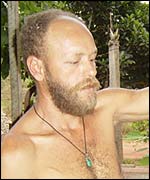
With the bill approved, the garimpeiros are beginning to prepare themselves for work. And the Cooperative of Garimpeiros promises that they will respect the environment this time. The badly-planned 1980s exploitation had serious environmental consequences, including deforestation and water pollution from the mercury which is used in the mining process. Alternatives to mining "It's true that our activity affects the land and has an environmental impact," said Etevaldo Arantes, a garimpeiro who arrived in Serra Pelada, aged 17, in 1981 at the peak of the gold rush.
There is still strong local resentment towards CVRD because of the company's state-backed efforts to expel garimpeiros still living on the land in the mid 1990s. But most of the easily accessible gold has already been mined and CVRD has no current plan to explore its section of the region further - although it says it wants to keep its rights to the area for research purposes. "Mining activities have been stopped there, and I don't think there is any economic reason for new explorations of the area," said Mauricio Reis, the director of CVRD. "We are promoting health, education and agricultural programmes that could give the miners a survival alternative to gold mining," he said. | |
See also:  20 Aug 02 | Americas 19 Jul 02 | Americas Internet links: The BBC is not responsible for the content of external internet sites Top Brazil Journey stories now: Links to more Brazil Journey stories are at the foot of the page. | |||||||||||||||||||||||||||||||||||||||||||||||||||||||||||||||||||||||||||||||||||||||||||||||||||||||||||||||||||||||||||||||||||||||||||||||||||||||||||||||
| |
|  E-mail this story to a friend E-mail this story to a friend |
| |
| Links to more Brazil Journey stories |
| | | ||
 | ||||
 | | Back to top
| ||
| ---------------------------------------------------------------------------------- To BBC Sport>> | To BBC Weather>> | To BBC World Service>> ---------------------------------------------------------------------------------- © MMIII | News Sources | Privacy |