
|
 |
 | | | | | | ||||||||||||||||||||||||||||||||||||||||||||||||||||||||||||||||||||||||||||||||||||||||||||||||||||||||||||||||||||||||||||||||||||||||||
| | | You are in: Health | ||||||||||||||||||||||||||||||||||||||||||||||||||||||||||||||||||||||||||||||||||||||||||||||||||||||||||||||||||||||||||||||||||||||||||||
|
| | Friday, 22 November, 2002, 00:11 GMT Genital herpes vaccine breakthrough 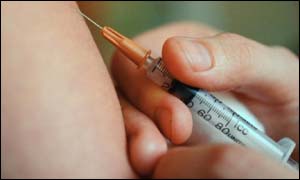 Clinical trials are still underway A vaccine for genital herpes could be available within five years, say doctors. Early clinical trials in the United States have found the vaccine can prevent infection in three out of four women. However, it does not work in men. GlaxoSmithKline, which developed the vaccine, is now planning further trials. If successful, it could be available within a few years.
It is incurable and is transmitted through sexual intercourse. The virus can cause painful itching and sores that in some cases reappear years after infection. However, many people do not have symptoms and can therefore pass on the infection without knowing it. Real benefits A vaccine could be of real benefit to the thousands of infants born every year with the virus. Genital herpes can be passed on from mother to child. However, half of those infants who contract the virus die unless they receive powerful antiviral drugs. Dr Lawrence Stanberry and colleagues at the University of Texas Medical Branch tested the vaccine on 978 women and 1,736 men whose partners had genital herpes. Each received three injections containing the vaccine or injections containing a placebo over the course of six months. They were followed for 19 months. The researchers found that the vaccine did not work well in women who had been infected with a related virus - herpes simplex virus 1. This virus causes cold sores or fever blisters.
The vaccine did not work well in men. Researchers said they were not sure why it failed to have an impact. However, they said the vaccine could still be a powerful weapon against the virus. Dr Stanberry said: "If you did universal vaccination of 11 and 12-year-old women you would eventually see an impact on the spread of herpes in both men and women." He added: "This vaccine is a leap forward in preventing neonatal infection, so it has some real added benefits." GlaxoSmithKline is now recruiting 7,550 women between the ages of 18 and 30 across the US for final stage clinical trials. Further study The UK's Public Health Laboratory Service said more research was needed into the vaccine. "These vaccine trials show some promise in women who have no previous infection with either HSV 1 or HSV 2, but not in those with previous infection with HSV 1 which is commonly acquired in childhood, or in males and therefore more research is necessary," a spokeswoman said. The UK Herpes Viruses Association said most new cases of genital herpes are actually caused by herpes simplex virus 1 - the virus that causes cold sores. Marian Nicholson, its director, said there was a need to tackle the stigma around the virus. "We have a long way to go to educate people about their sexual health and to break the stigma, which is far greater in the UK than in other European countries." The study is published in the New England Journal of Medicine. | | See also:  06 Nov 02 | Health 23 Mar 00 | Health 20 Nov 02 | Health Internet links: The BBC is not responsible for the content of external internet sites Top Health stories now: Links to more Health stories are at the foot of the page. | ||||||||||||||||||||||||||||||||||||||||||||||||||||||||||||||||||||||||||||||||||||||||||||||||||||||||||||||||||||||||||||||||||||||||||
| |
|  E-mail this story to a friend E-mail this story to a friend |
| |
| Links to more Health stories |
| | | ||
 | ||||
 | | Back to top
| ||
| ---------------------------------------------------------------------------------- To BBC Sport>> | To BBC Weather>> | To BBC World Service>> ---------------------------------------------------------------------------------- © MMIII | News Sources | Privacy |





