
|
 |
 | | | | | | ||||||||||||||||||||||||||||||||||||||||||||||||||||||||||||||||||||||||||||||||||||||||||||||||||||||||||||||||||||||||||||||||||||||||||||||||||||||||||||||||||||||||||
| | | You are in: Health | ||||||||||||||||||||||||||||||||||||||||||||||||||||||||||||||||||||||||||||||||||||||||||||||||||||||||||||||||||||||||||||||||||||||||||||||||||||||||||||||||||||||||||||
|
| | Thursday, 14 November, 2002, 17:02 GMT Mumps vaccine warning challenged 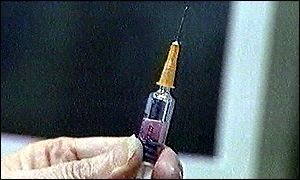 Many parents are looking for alternatives to MMR A warning from UK officials not to use a brand of single mumps vaccine imported from Eastern Europe has been attacked by private clinics. The government's Committee on the Safety of Medicines (CSM) says that the Pavivac vaccine - made in the Czech Republic - should not be used by doctors until futher checks have been completed. It says that the safety of the vaccine cannot be confirmed until more information about its manufacture and storage is put before it.
Only a small number of single mumps vaccines used in the UK come from the Czech source. Out of 30,000 single mumps jabs imported this year, 5,720 were Pavivac. Many parents have turned to single versions of measles, mumps and rubella vaccinations due to concerns about the safety of the combined MMR jab. Clinics which have imported these jabs in the past are to be contacted and told not to use remaining stocks or import more. The Medicines Control Agency (MCA) - whose job it is to check on the quality of medicines used in the UK - has been told to oppose all future imports of the Pavivac vaccine until evidence of its safety can be provided. 'Precautionary' CSM chairman Professor Alastair Breckenridge said: "There are a number of major questions about the manufacture, testing and storage of the unlicensed vaccine Pavivac which are not answered by the information currently available.
"Further information and clarification has been urgently requested." However, Sarah Dean, the managing director of Direct Health 2000, which provides single jabs through a network of clinics, attacked the move. She said she believed it was an attempt by the Department of Health to restrict the choice of single vaccines available to parents. She said: "We believe the Medicines Control Agency is guilty of both a lapse of duty and appalling scaremongering in its handling of use of the Pavivac mumps vaccine in the UK. "Our importer was told by the MCA that it was free to supply Pavivac on May 14, 2002. "Yet six months later the vaccine is suspended because of unidentified 'concerns'. "We are shocked that the MCA could be so cavalier in its approach to vaccine approval." Doctors in the UK are theoretically allowed to use any drug on any patient, even if it is not licensed for that purpose - or at all. Several of the types of single vaccine used in place of MMR are unlicensed. | |
See also:  27 Feb 98 | UK 06 Nov 02 | Health 07 Nov 02 | Health 08 Oct 02 | England Internet links: The BBC is not responsible for the content of external internet sites Top Health stories now: Links to more Health stories are at the foot of the page. | ||||||||||||||||||||||||||||||||||||||||||||||||||||||||||||||||||||||||||||||||||||||||||||||||||||||||||||||||||||||||||||||||||||||||||||||||||||||||||||||||||||||||||
| |
|  E-mail this story to a friend E-mail this story to a friend |
| |
| Links to more Health stories |
| | | ||
 | ||||
 | | Back to top
| ||
| ---------------------------------------------------------------------------------- To BBC Sport>> | To BBC Weather>> | To BBC World Service>> ---------------------------------------------------------------------------------- © MMIII | News Sources | Privacy |






