
|
 |
 | | | | | | ||||||||||||||||||||||||||||||||||||||||||||||||||||||||||||||||||||||||||||||||||||||||||||||||||||||||||||||||||||||||||||||||||||||||
| | | You are in: Health | ||||||||||||||||||||||||||||||||||||||||||||||||||||||||||||||||||||||||||||||||||||||||||||||||||||||||||||||||||||||||||||||||||||||||||
|
| | Tuesday, 12 November, 2002, 03:45 GMT Shortfall in doctors 'may cost lives' 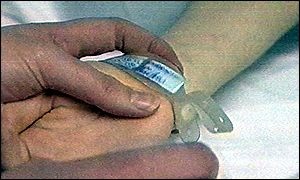 Staff shortages in intensive care could be dangerous An independent inquiry into deaths after surgery has criticised the lack of consultant cover in many intensive care units. A survey, the National Confidential Enquiry into Perioperative Deaths, suggested that dozens of NHS hospitals regularly leave their critical care units run by doctors who do not specialise in intensive care medicine. In addition, it says, it found hundreds of cases in which patients who died after surgery had not been found an intensive care bed - despite the wishes of their doctors. It calls for closer teamwork among medical staff to help prevent mistakes. The government has made critical care a priority, ploughing millions into extra beds and equipment. However, doctors say there is still a significant shortfall in experienced consultants to actually staff the unit.
The NCEPOD report audited thousands of deaths which had happened either on the operating table or within three days of surgery. Its role is to examine the deaths to see if any common patterns emerge. It found that there were 59 intensive care units - many in major NHS hospitals - in which a consultant in intensive care medicine was not always around to run the unit. On some occasions, a consultant anaesthetist or physician with other responsibilities elsewhere in the hospital would be asked to oversee the ICU as well. No bed In 6% of all the cases they looked at, doctors had wanted to move the patient to intensive care, but had been unable to do so. This implies, say NCEPOD, that approximately 400 patients a year die in these circumstances - although many of these seriously ill patients would have died regardless of whether a critical care bed was available. Mr Ron Hoile, one of the report's authors, told BBC News Online: "We have now got fairly adequate numbers of intensive care beds, but have the situation where there are not enough consultant sessions being filled to cover them properly. "There is a shortage of intensive care consultants and there needs to be further recruitment." Worsening problem Dr Peter Nightingale, president of the Intensive Care Society, said that while the NCEPOD questionnaire might not give a wholly accurate picture of the situation, there was undoubtedly a staff shortage. He said that cover from non-specialists was "less than ideal". He said: "It is serious, and it is going to become more serious in the next few years as the European Working Time Directive kicks in. "There are currently more posts available than there are people to fill them. "Intensive care medicine is traditionally very hard work, with little opportunity for private work. "Doctors working in the field have a tendency to burn out rather quickly." Appendix deaths The NCEPOD report also found examples of fit young people dying of appendicitis because doctors sometimes fail to recognise the symptoms. Twelve people with appendicitis died between April 2000 and March 2001, according to the report. Two of these were previously fit young men and another was a child of three. One of those who died was a 21-year-old man who arrived in casualty with pains in the navel area and vomiting. He was thought to have a urinary tract infection. After treatment, the young man was allowed home. When he came back five days later, he collapsed and suffered a heart attack. The man was resuscitated and taken to intensive care and then to the operating theatre, where surgeons found a gangrenous appendix and widespread peritonitis. He died 24 hours later. "Appendicitis diagnosis requires skill and experience," says the report. "Hospitals should ensure that those seeing potential cases either have the requisite skills and experience or are supported by those who do." Autopsy call The report also picks out communication problems between doctors as another potential factor in deaths after surgery. Information which the surgeon should have been told about prior to the operation was often not made available. The report also criticised the standard of autopsies carried out in the UK. Since the Alder Hey scandal, the number of post-mortems carried out in the UK has slumped. The NCEPOD report also says that many coroner's post-mortems are not carried out satisfactorily. Mr Hoile said: "Unless autopsies are carried out correctly, doctors cannot learn anything from them." | | See also:  31 Oct 00 | Programme highlights 25 Oct 02 | England 26 Jun 02 | Health 19 Jun 02 | Health 18 Feb 02 | NHS Reform Internet links: The BBC is not responsible for the content of external internet sites Top Health stories now: Links to more Health stories are at the foot of the page. | ||||||||||||||||||||||||||||||||||||||||||||||||||||||||||||||||||||||||||||||||||||||||||||||||||||||||||||||||||||||||||||||||||||||||
| |
|  E-mail this story to a friend E-mail this story to a friend |
| |
| Links to more Health stories |
| | | ||
 | ||||
 | | Back to top
| ||
| ---------------------------------------------------------------------------------- To BBC Sport>> | To BBC Weather>> | To BBC World Service>> ---------------------------------------------------------------------------------- © MMIII | News Sources | Privacy |





