
|
 |
 | | | | | | ||||||||||||||||||||||||||||||||||||||||||||||||||||||||||||||||||||||||||||||||||||||||||||||||||||||||||||||||||||||||||||||||||||||||||
| | | You are in: Health | ||||||||||||||||||||||||||||||||||||||||||||||||||||||||||||||||||||||||||||||||||||||||||||||||||||||||||||||||||||||||||||||||||||||||||||
|
| | Monday, 28 October, 2002, 10:51 GMT Newborns to get NHS number 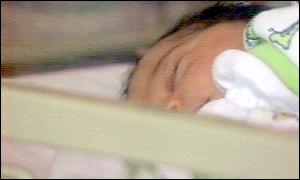 An NHS Number helps monitoring of medical care. All babies born in England and Wales are to be issued with an NHS number at birth. Until now, babies have not been given an NHS Number until they have been officially registered at the Registrar of Births and Deaths - a process that can take six weeks.
Records were most likely to go astray if the child had changed name or address during the first weeks of life. Often hospitals would be faced with the task of trying to find out details of a child's birth via its mother's medical records. The new "NHS Numbers for Babies" system will give every baby a unique number identifier from birth. This should help to ensure that personal records are consistent and universally available to relevant NHS staff from day one. The project will be overseen by the NHS Information Authority. Important step
"It provides additional safeguards in the key early stages of a child's life and ensures that a comprehensive health record is available wherever and whenever it is needed." The new computerised procedure, which underwent rigorous testing, is designed to be simple to use, and to make it easier for NHS staff to match test results, monitor quality of care and improve research into the health of new born babies. Under the new initiative, midwives will request and receive a newborn baby's NHS Number as soon as possible after birth by connecting to the new NHS Central Issue System. The 10-character number will be printed on to birth notification notices produced by the maternity unit, and will be passed on to the Registrar of Births and Deaths in a reversal of the previous procedure. The initiative has received widespread support from the medical fraternity, including the British Medical Association and the Royal Colleges of Midwives, Nurses, Obstetricians and Gynaecologists, and the Community Practitioners and Health Visitors Association. Hospital treatment Melanie Every, from the Royal College of Midwives, told BBC News Online that in most cases a six week delay in issuing an NHS number to a child was not a problem. But she said: "If a baby is treated in two or three different hospitals for a complex condition you can end up with a situation where there are two or three hospital numbers floating around and no NHS Number to tie them together. "Issuing an NHS Number at birth will help to ensure that information goes to the right place." She said the number of tests that a young baby underwent as a matter of routine in the early weeks of life was also increasing. It is estimated that 20% of babies require a blood or other test within 24 hours of birth, and 10% require some hospital treatment within 27 days. Up to 2% of babies will receive neonatal intensive care and a high proportion will be moved to specialist units. A further 7% of babies will receive treatment in a special care baby unit. | | See also:  08 Jan 01 | Health 09 Jan 02 | Health 14 Aug 02 | Health Internet links: The BBC is not responsible for the content of external internet sites Top Health stories now: Links to more Health stories are at the foot of the page. | ||||||||||||||||||||||||||||||||||||||||||||||||||||||||||||||||||||||||||||||||||||||||||||||||||||||||||||||||||||||||||||||||||||||||||
| |
|  E-mail this story to a friend E-mail this story to a friend |
| |
| Links to more Health stories |
| | | ||
 | ||||
 | | Back to top
| ||
| ---------------------------------------------------------------------------------- To BBC Sport>> | To BBC Weather>> | To BBC World Service>> ---------------------------------------------------------------------------------- © MMIII | News Sources | Privacy |





