
|
 |
 | | | | | | ||||||||||||||||||||||||||||||||||||||||||||||||||||||||||||||||||||||||||||||||||||||||||||||||||||||||||||||||||||||||||||||||||||||||||||||||||||||||||||||||||||||||
| | | You are in: Health | ||||||||||||||||||||||||||||||||||||||||||||||||||||||||||||||||||||||||||||||||||||||||||||||||||||||||||||||||||||||||||||||||||||||||||||||||||||||||||||||||||||||||||
|
| | Thursday, 10 October, 2002, 23:33 GMT 00:33 UK Ageing population needs more blood 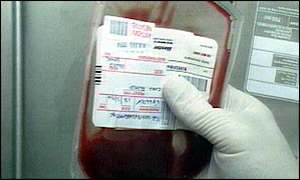 Most blood is used for medical patients Supplies of donated blood will need to increase significantly over the next six years as the population ages, researchers warn. A study of how much blood hospitals use, carried out in the north of England, estimated demand there will increase by 2% by next year and 5% by 2008. Researchers looked at how almost 10,000 units of blood were used in hospitals across the region. Over half were given to medical patients, 41% to surgical patients and 6% to patients in obstetrics and gynaecology units.
The team, from the Newcastle's Freeman Road Hospital, say even small increases in the number of elderly people would have a large increase in demand for blood supplies. And they say if a blood test for vCJD is developed, as recent research has suggested could soon happen, fewer people may donate. Cutting requirements The researchers, led by haematologist Dr Jonathan Wallis of Freeman Road Hospital, Newcastle estimate up to 50% of donors could be lost. Writing in the British Medical Journal, they say planning ahead for how much blood will be needed is essential. They said certain measures could reduce the need for blood supplies. For example, reducing the amount of blood used in joint replacement operations by 50% would cut overall blood requirements by 2.3%. But they say efforts will also have to be made to reduce the use of donated blood in elective procedures and on elderly patients to have a significant effect on reducing the amount of donated blood needed. Dr Wallis wrote: "Figures from this study may help in planning effective and efficient use of the available blood donor supply." 'Meeting demand' Jane Samuel, spokeswoman for the National Blood Service, told BBC News Online: "NBS Communications Manager, Jane Samuel said: "We welcome any research which gives us information about possible increases in the need for blood and we are continually working to ensure we meet demand in the future. "We have met hospital demand consistently for the last two and a half years and we don't anticipate any major problems with blood supply in the immediate future. "However, the need for blood is constant and we would encourage anyone who has not yet thought about giving blood to come forward - and help save a life." | |
See also:  09 Oct 02 | Health 01 Sep 02 | Health 16 Aug 02 | Health 26 Nov 01 | Health 06 May 99 | Health Internet links: The BBC is not responsible for the content of external internet sites Top Health stories now: Links to more Health stories are at the foot of the page. | ||||||||||||||||||||||||||||||||||||||||||||||||||||||||||||||||||||||||||||||||||||||||||||||||||||||||||||||||||||||||||||||||||||||||||||||||||||||||||||||||||||||||
| |
|  E-mail this story to a friend E-mail this story to a friend |
| |
| Links to more Health stories |
| | | ||
 | ||||
 | | Back to top
| ||
| ---------------------------------------------------------------------------------- To BBC Sport>> | To BBC Weather>> | To BBC World Service>> ---------------------------------------------------------------------------------- © MMIII | News Sources | Privacy |






