
|
 |
 | | | | | | ||||||||||||||||||||||||||||||||||||||||||||||||||||||||||||||||||||||||||||||||||||||||||||||||||||||||||||||||||||||||||||||||||||||||
| | | You are in: Health | ||||||||||||||||||||||||||||||||||||||||||||||||||||||||||||||||||||||||||||||||||||||||||||||||||||||||||||||||||||||||||||||||||||||||||
|
| | Thursday, 10 October, 2002, 10:25 GMT 11:25 UK Electrical device fights liver cancer 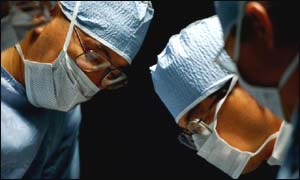 Surgeons only operate on 10% of liver cancer patients An electrical device could help to prolong the lives of thousands of people with inoperable liver cancer, a study suggests. Doctors in the United States have found that the device, which uses radiofrequencies to kill tumours, is better than traditional chemotherapy. The RITA system has been available since the mid-1990s and has been widely used in Europe, the United States and Asia.
Only one in 10 people who develop liver cancer are considered candidates for surgery to remove the tumour. The vast majority of patients undergo chemotherapy to fight the disease. However, in most cases the cancer is fatal. Survival rates But Dr Allan Siperstein, of the Cleveland Clinic Foundation in Cleveland, has found that the RITA system could help many patients to survive longer. He analysed the survival outcomes of 225 patients who were treated with the device between 1996 and 2000. Many of the patients also received chemotherapy. The study found that three years after undergoing treatment, 38% of patients with primary liver cancer and 60% of patients whose cancer had spread from the colon to the liver were still alive. This compared to just 10% of those who had only received chemotherapy. The device uses thin electrodes to heat and destroy or erode the tumour. However, the treatment is not without risks. Complications included wound infections and the need for patients to undergo blood transfusions, according to Dr Siperstein. He said the study was the first indication that the treatment was effective. "This is the first opportunity where we have had enough patients to gather the data," he said. "The logic is that if I can go in there and debulk or ablate the tumour, the patient will live longer." Dr Siperstein predicted that the findings will encourage more doctors to consider using the device. "Doctors are conservative. We want to see the advantage of a treatment before recommending it to patients," he said. The results of the study were presented in San Francisco at a meeting of the American College of Surgeons. | | See also:  16 Jul 02 | Health 17 May 01 | Health 18 Oct 00 | Health Internet links: The BBC is not responsible for the content of external internet sites Top Health stories now: Links to more Health stories are at the foot of the page. | ||||||||||||||||||||||||||||||||||||||||||||||||||||||||||||||||||||||||||||||||||||||||||||||||||||||||||||||||||||||||||||||||||||||||
| |
|  E-mail this story to a friend E-mail this story to a friend |
| |
| Links to more Health stories |
| | | ||
 | ||||
 | | Back to top
| ||
| ---------------------------------------------------------------------------------- To BBC Sport>> | To BBC Weather>> | To BBC World Service>> ---------------------------------------------------------------------------------- © MMIII | News Sources | Privacy |





