
|
 |
 | | | | | | ||||||||||||||||||||||||||||||||||||||||||||||||||||||||||||||||||||||||||||||||||||||||||||||||||||||||||||||||||||||||||||||||||||||||
| | | You are in: Health | ||||||||||||||||||||||||||||||||||||||||||||||||||||||||||||||||||||||||||||||||||||||||||||||||||||||||||||||||||||||||||||||||||||||||||
|
| | Tuesday, 16 July, 2002, 00:56 GMT 01:56 UK Hopes for liver cancer breakthrough 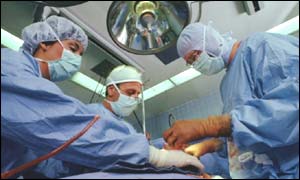 Liver cancer is difficult to treat Scientists believe they may have found a way of fighting liver cancer. There are currently few effective treatments for liver cancer, which is diagnosed in 1,500 Britons every year. But scientists at Johns Hopkins University in Baltimore have found that a chemical compound called 3-bromopyruvate can kill cancer tumours in the liver without damaging healthy cells.
Professor Peter Pedersen and colleagues tested the compound on rabbits with liver tumours. They found that the compound killed a lot of the cancer cells without damaging any of the surrounding tissue or other organs. They also found that it was more effective than a current treatment for the disease called chemoembolization. This treatment delievers a dose of chemotherapy to the tumour and blocks off the artery that feeds it. Dr Jeff Geschwind, one of those involved in the study, said: "With 3-bromopyruvate in the rabbits, healthy liver seems to be spared, but sections of healthy liver were damaged by chemoembolization." 'Exciting' The scientists said they were surprised by the results, published in the journal Cancer Research. Professor Pedersen said: "It's very exciting because we expected the compound to be pretty toxic, but somehow normal cells in the rabbit protect themselves against it. "We even injected it into a vein, so it was distributed throughout the rabbit, and we still didn't see any apparent toxicity. It's sort of amazing." The scientists are now planning further studies to see if the compound could be used in humans with liver cancer. However, they first need to find out how healthy cells protect themselves from the compound and whether it can cause any long-term damage. | | See also:  17 May 01 | Health 09 Apr 02 | Health 18 Oct 00 | Health Internet links: The BBC is not responsible for the content of external internet sites Top Health stories now: Links to more Health stories are at the foot of the page. | ||||||||||||||||||||||||||||||||||||||||||||||||||||||||||||||||||||||||||||||||||||||||||||||||||||||||||||||||||||||||||||||||||||||||
| |
|  E-mail this story to a friend E-mail this story to a friend |
| |
| Links to more Health stories |
| | | ||
 | ||||
 | | Back to top
| ||
| ---------------------------------------------------------------------------------- To BBC Sport>> | To BBC Weather>> | To BBC World Service>> ---------------------------------------------------------------------------------- © MMIII | News Sources | Privacy |





