|
 |
 | | | | | | |||||||||||||||||||||||||||||||||||||||||||||||||||||||||||||||||||||||||||||||||||||||||||||||||||||||||||||||||||||||||||||||||||||||||
| | | You are in: Health | |||||||||||||||||||||||||||||||||||||||||||||||||||||||||||||||||||||||||||||||||||||||||||||||||||||||||||||||||||||||||||||||||||||||||||
|
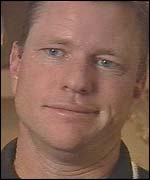
| | Friday, 20 September, 2002, 18:30 GMT 19:30 UK Pumped up golfer swings into action 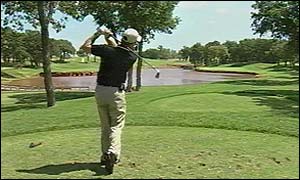 Scott Verplank says the pump has changed his life When Scott Verplank takes to the fairway as part of the US Ryder Cup team next Thursday, he will be controlling his diabetes not through injections, but through an insulin pump. He says the pump has meant he is no longer tied to the daily regime of injections, and has allowed him to focus on his golf. Scott Verplank, 38, has risen from the Professional Golfers Association's (PGA) Tour Qualifying School to 10th on the 2001 PGA Tour money list in just five years. His success has been crowned by his selection as one of the 12 golfers in the US Ryder Cup team by captain Curtis Strange.
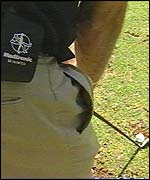
Before then he had had to inject insulin four times a day and stick to a rigid diet and timetable to stay fit and well. He now uses the MiniMed pump, made by Medtronic, which mimics the operation of a healthy pancreas. The pump is not widely available on the NHS, and the majority of users in the UK have to pay for the �2,000 cost themselves 'No peaks and troughs' Scott said: "The insulin pump has helped me achieve my goals and get closer to my dreams. It's made my life better. It's made my health better. "It's helped me to become a better golfer because it has helped me to get my health better overall.
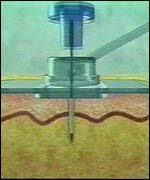
Instead of having to carry needles and insulin with him on the golf course, Scott is able to get his insulin at the touch of a button. The MiniMed pump is a small battery operated device delivers insulin from a reservoir inside the pump through a tiny plastic tube into the body. The tube is inserted into the skin by a doctor. Insulin needs to be refilled and the disposable infusion sets changed every two to three days. Although most UK patients have to pay for the pump treatment themselves, it is funded by other European countries including France, Sweden, Norway and the Netherlands. The National Institute for Clinical Excellence is currently looking at whether pump therapy should be available on the NHS, and a decision is expected in 2003. Control Dr David Kerr, a consultant diabetologist from the Royal Bournemouth Hospital, said: "If you don't look after the condition, the person will run the risk of developing the complications including blindness, kidney failure and problems with the feet and circulation.
"One of the best and most modern methods for reducing risk for an individual is the use of insulin pump therapy." Around 1.4million people in the UK have been diagnosed with diabetes. Under a quarter have Type 1 diabetes, the kind which can be treated with the pump therapy. Type 1 diabetes is where the pancreas no longer produces insulin, a hormone needed to metabolise glucose and supply energy to cells. John Davis, one of Dr Kerr's patients is one person using the pump. He said: "I feel now that I'm controlling my diabetes rather than it controlling me. "When I was having injections, it was totally out of my control. It took control of my life totally." | | See also:  04 Sep 02 | Health 22 Aug 02 | Health 02 Feb 01 | Health Internet links: The BBC is not responsible for the content of external internet sites Top Health stories now: Links to more Health stories are at the foot of the page. | |||||||||||||||||||||||||||||||||||||||||||||||||||||||||||||||||||||||||||||||||||||||||||||||||||||||||||||||||||||||||||||||||||||||||
| |
|  E-mail this story to a friend E-mail this story to a friend |
| |
| Links to more Health stories |
| | | ||
 | ||||
 | | Back to top
| ||
| ---------------------------------------------------------------------------------- To BBC Sport>> | To BBC Weather>> | To BBC World Service>> ---------------------------------------------------------------------------------- © MMIII | News Sources | Privacy |