
|
 |
 | | | | | | ||||||||||||||||||||||||||||||||||||||||||||||||||||||||||||||||||||||||||||||||||||||||||||||||||||||||||||||||||||||||||||||||||||||||
| | | You are in: Health | ||||||||||||||||||||||||||||||||||||||||||||||||||||||||||||||||||||||||||||||||||||||||||||||||||||||||||||||||||||||||||||||||||||||||||
|
| | Monday, 16 September, 2002, 23:03 GMT 00:03 UK Gene swap 'reverses' muscular dystrophy 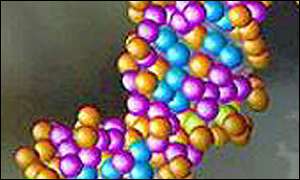 Scientists were able to replace a defective gene Scientists have managed for the first time to improve muscle function in mice with muscular dystrophy by using a type of gene therapy. While there are hopes that this will one day translate into effective treatments for humans, experts have warned against over-optimism. Muscular dystrophy is a genetic disorder which progressively weakens the muscles. The body cannot produce a vital chemical called dystrophin, which helps keep muscles structurally strong. The most common form, Duchenne muscular dystrophy, affects one in every 3,500 boys born in the UK. This involves virtually every muscle in the body, and the cumulative damage means that most die before the age of 25. Gene swap Gene therapy centres on replacing the faulty gene responsible for dystrophin production with another which should work normally. In the latest experiments, a modified common cold virus was used to "infect" muscles and swap the bad gene for the correct version. The scientists managed to insert the entire dystrophin gene - previously thought too large to be transported this way. Their weakened version of the viral "vector" was also engineered to reduce any chance that the immune system could attack it. Knee test The gene therapy was injected into a small knee muscle in adult mice suffering from an advanced form of Duchenne muscular dystrophy. Some time later, they were re-tested to see if the physical ability of the muscle to withstand movement without injury had increased. They found that this - a key measure of the structural strength of the muscle - had improved by 40%. Professor Jeffrey Chamberlain, from the University of Washington School of Medicine in Seattle, who led the study, said: "We have shown that replacing the dystrophin gene will correct this disease, even in older animals. "In future research we hope to develop better methods to deliver the gene to all the muscles of the body, as currently we are limited to treating relatively small muscles." Hurdles ahead This is not the only obstacle to success in human patients.
Unlike mice, muscle in patients with muscular dystrophy tends to be heavily scarred by repeated injuries suffered while trying to contract it. This may be far more difficult to reverse. And there are still concerns about both the ability of gene therapy to evade the immune system, and whether an effective dose would prove safe in a human. However, UK experts said the research was "highly encouraging". Dr Dominic Wells, a reader in Transgenic Biology in the Gene Targeting Unit at Kings College London, said: "These are incredibly promising results. "The fact that he has been able to functionally restore this muscle is a very, very key finding. "He has managed to achieve a very effective gene transfer." Dr Jenny Versnel, from the Muscular Dystrophy Campaign, said: "When children are diagnosed with Duchenne muscular dystrophy, usually in early childhood, the muscles already display signs of muscle cell breakdown. "Research to date has tested the applicability of gene therapy using young mice, this new research has shown promising results with inserting a full-length gene into older mice who have greater muscle cell weakness." The findings were released in the journal Proceedings of the National Academy of Sciences. | | See also:  13 Sep 02 | England 08 Aug 02 | Health 27 May 02 | Health Internet links: The BBC is not responsible for the content of external internet sites Top Health stories now: Links to more Health stories are at the foot of the page. | ||||||||||||||||||||||||||||||||||||||||||||||||||||||||||||||||||||||||||||||||||||||||||||||||||||||||||||||||||||||||||||||||||||||||
| |
|  E-mail this story to a friend E-mail this story to a friend |
| |
| Links to more Health stories |
| | | ||
 | ||||
 | | Back to top
| ||
| ---------------------------------------------------------------------------------- To BBC Sport>> | To BBC Weather>> | To BBC World Service>> ---------------------------------------------------------------------------------- © MMIII | News Sources | Privacy |





