
|
 |
 | | | | | | ||||||||||||||||||||||||||||||||||||||||||||||||||||||||||||||||||||||||||||||||||||||||||||||||||||||||||||||||||||||||||||||||||||||||
| | | You are in: Health | ||||||||||||||||||||||||||||||||||||||||||||||||||||||||||||||||||||||||||||||||||||||||||||||||||||||||||||||||||||||||||||||||||||||||||
|
| | Thursday, 8 August, 2002, 23:06 GMT 00:06 UK Muscular dystrophy genes unravelled 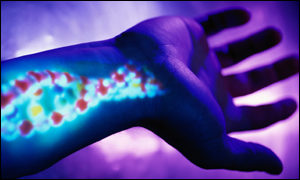 Genetic basis of muscular dystrophy is being revealed Some of the secrets behind the development of one of the most common forms of muscular dystrophy have been unlocked by scientists. Facioscapulohumeral muscular dystrophy (FSHD) mainly affects the face, shoulders and arms, but can progress to the lower limbs as well. The muscles deteriorate in these areas, weakening them and making movement difficult. Genetic roots It is the third most common form of the condition, but scientists still do not fully understand its genetic roots. Scientists had previously located a section on one of the cell chromosomes which appeared to be different in many sufferers. However, the latest research, from the University of Massachusetts Medical School in Worcester, US, has found this difference appears to "create havoc" in the activity of several nearby genes. However, a British expert suggests the likelihood of gene therapy for the illness is still some distance away. The US team looked at the key region on the fourth chromosome. They were looking for copies of a particular sequence of DNA called D4Z4. People with FSHD seem to have fewer copies of this sequence in their genetic makeup - generally fewer than 11 - while unaffected people could have as many as 150.
The researchers tried to uncover more information about how this region influences the way that muscles worked. They found one part of this key DNA sequence appears to combine with a particular protein in the cell. This protein seems to have the ability to suppress the activity of other genes. The result of fewer D4Z4 sequences may be less ability to control the activity of these genes. As they include a gene that triggers cell death when highly active, this could hold the key to the progressive decline of muscle cells in patients with this genetic structure. Dr Rosella Tupler, who led the study, said: "This breakthrough is important scientifically, as it teaches us about novel ways genes can influence disease, which will someday help not only those people who suffer from FSHD, but hopefully, others as well." However, she added that there may be other factors, such as other genes or environmental influences which could play a role. 'Holy grail' The problem now is to convert this knowledge into a treatment of practical benefit to FSHD patients. Gene therapy, to alter the bad genetic makeup of the muscle cells, is still in its infancy. The Massachusetts scientists believe it may be possible to devise a treatment that mimics the protein and suppresses the activity of the genes. At present, doctors can help FSHD patients with rehabilitation and occasionally operations to relieve the symptoms in their shoulders and arms. Dr Philip Jardine, a paediatric neurologist from the Institute for Child Health in Bristol, said that gene therapy was the "Holy Grail", but unlikely to arrive soon. He said: "This is a step forward towards gene therapy, but it doesn't get us there yet." | | See also:  23 Oct 99 | Health 27 May 02 | Health 24 Jan 02 | World 12 Dec 01 | Health 03 Nov 01 | Health Internet links: The BBC is not responsible for the content of external internet sites Top Health stories now: Links to more Health stories are at the foot of the page. | ||||||||||||||||||||||||||||||||||||||||||||||||||||||||||||||||||||||||||||||||||||||||||||||||||||||||||||||||||||||||||||||||||||||||
| |
|  E-mail this story to a friend E-mail this story to a friend |
| |
| Links to more Health stories |
| | | ||
 | ||||
 | | Back to top
| ||
| ---------------------------------------------------------------------------------- To BBC Sport>> | To BBC Weather>> | To BBC World Service>> ---------------------------------------------------------------------------------- © MMIII | News Sources | Privacy |





