|
 |
 | | | | | | |||||||||||||||||||||||||||||||||||||||||||||||||||||||||||||||||||||||||||||||||||||||||||||||||||||||||||||||||||||||||||||||||||||||||||||||||||||||||||||||
| | | You are in: Europe | |||||||||||||||||||||||||||||||||||||||||||||||||||||||||||||||||||||||||||||||||||||||||||||||||||||||||||||||||||||||||||||||||||||||||||||||||||||||||||||||||
|
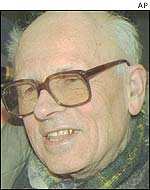
| | Monday, 20 January, 2003, 12:48 GMT Believers deface 'anti-religious' display  Vladimir Putin has endorsed the Church's spiritual role The Russian Orthodox Church has condemned insults against religion as "criminal", following an attack on Saturday of an exhibition in a Moscow museum deemed by some to be anti-religious.
Six people who said they were Orthodox believers entered the Andrei Sakharov museum on Saturday, smearing exhibits with paint and breaking them. The six were arrested but later released pending an investigation. The exhibition - entitled "Caution: Religion" - deals with such issues as religious fundamentalism and church-state relations. Museum director Yuri Samodurov said nearly all the works were destroyed, but that the exhibition would continue until the end of the month with the damage done by the protesters included in the display. Mr Samodurov added that the exhibition was not intended to be anti-religious but said more explanatory notes could have been included. "Some were fairly revolting works which could shock people," he told AFP news agency. "It's modern art." Religious sensitivity But Viktor Malukhin, head of communications at the Moscow Patriarchate, told BBC News Online that the exhibition encouraged extremism and intolerance.
"I am deeply convinced that in any society, and notably in Russia, we should be sensitive to people's religious feelings, and any insult to religious feelings should be qualified as a crime," he was quoted as saying by the Interfax news agency. The Orthodox Church was partially suppressed under the Soviet Union, which had an official doctrine of atheism. But it has undergone a revival in Russia in recent years as the dominant religion, with political leaders endorsing its spiritual role. Some nationalist groups have been pushing for more Church influence on State affairs. The Sakharov museum, named after the late Soviet dissident and human rights campaigner, houses archive documents on Soviet-era repression. It has been targeted by protesters before - last May, a mural of Sakharov outside the museum was sprayed with anti-Semitic and obscene slogans. | | See also:  11 Feb 02 | Europe 28 Jul 01 | Media reports 19 Jan 03 | Europe Internet links: The BBC is not responsible for the content of external internet sites Top Europe stories now: Links to more Europe stories are at the foot of the page. | |||||||||||||||||||||||||||||||||||||||||||||||||||||||||||||||||||||||||||||||||||||||||||||||||||||||||||||||||||||||||||||||||||||||||||||||||||||||||||||||
 | |
|  E-mail this story to a friend E-mail this story to a friend |
| |
| Links to more Europe stories |
| | | ||
 | ||||
 | | Back to top
| ||
| ---------------------------------------------------------------------------------- To BBC Sport>> | To BBC Weather>> | To BBC World Service>> ---------------------------------------------------------------------------------- © MMIII | News Sources | Privacy |




 Some were fairly revolting works which could shock people - it's modern art