|
 |
 | | | | | | ||||||||||||||||||||||||||||||||||||||||||||||||||||||||||||||||||||||||||||||||||||||||||||||||||||||||||||||||||||||||||||||||||||||||||||||||||||||||||||||||||
| | | You are in: Europe | ||||||||||||||||||||||||||||||||||||||||||||||||||||||||||||||||||||||||||||||||||||||||||||||||||||||||||||||||||||||||||||||||||||||||||||||||||||||||||||||||||||
|
| | Monday, 30 September, 2002, 12:09 GMT 13:09 UK Kostunica: Serbia's quiet nationalist 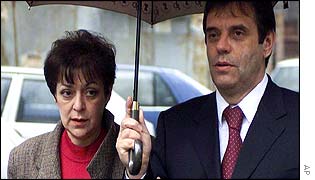 Kostunica has brought Yugoslavia back from the brink Vojislav Kostunica was a fairly minor figure in Yugoslav politics until he was swept to power in the uprising that ousted former Yugoslav President Slobodan Milosevic in October 2002.
With the Yugoslav Federation set to be replaced by a looser union - known simply as Serbia and Montenegro - Mr Kostunica, he has opted to run for the presidency of Serbia rather than that of the new union. He goes into the second round on 13 October as the frontrunner.
He has been campaigning on an anti-corruption platform, promising to cushion the social consequences of free-market economic reforms and to establish a solid, democratic legal framework. He has won support among the poor and dispossessed after the Yugoslav wars of the 1990s, but it has also fuelled criticism that he is bad for business. Nationalistic overtones Mr Kostunica's Democratic Party of Serbia was one of an alliance of 18 opposition parties, which ousted former President Slobodan Milosevic.
Once in government, however, rivalry between Mr Kostunica and Serbian Prime Minister Zoran Djindjic became intense. The two men have been at odds over issues ranging from co-operation with the United Nations war crimes tribunal in The Hague to economic policy. Mr Kostunica's party is no longer a member of the ruling coalition. Critics say he has blocked vital reforms and acted as a respectable front-man for many of the same hardline nationalists who once rallied around Mr Milosevic. While advocating that Serbia join Europe and European institutions, he combines this with strong anti-Nato rhetoric. Most recently, he raised European eyebrows when he said the Serbs of Bosnia were only "temporarily" separated from the "Serbian motherland" - comments he claimed were misunderstood. However he has said that he is "no more nationalist than most centre-right European politicians". He is also a harsh critic of the United Nations administration in the ethnic-Albanian-dominated southern province of Kosovo, which Serb forces evacuated after a Nato bombing campaign in 1999. While he may be outspoken, his supporters see him as an honest man. Power has not changed his lifestyle. He continues to live in a small apartment in downtown Belgrade rather than move to an official residence. | | See also:  30 Sep 02 | Europe 09 Aug 02 | Europe Internet links: The BBC is not responsible for the content of external internet sites Top Europe stories now: Links to more Europe stories are at the foot of the page. | ||||||||||||||||||||||||||||||||||||||||||||||||||||||||||||||||||||||||||||||||||||||||||||||||||||||||||||||||||||||||||||||||||||||||||||||||||||||||||||||||||
| |
|  E-mail this story to a friend E-mail this story to a friend |
| |
| Links to more Europe stories |
| | | ||
 | ||||
 | | Back to top
| ||
| ---------------------------------------------------------------------------------- To BBC Sport>> | To BBC Weather>> | To BBC World Service>> ---------------------------------------------------------------------------------- © MMIII | News Sources | Privacy |