|
 |
 | | | | | | |||||||||||||||||||||||||||||||||||||||||||||||||||||||||||||||||||||||||||||||||||||||||||||||||||||||||||||||||||||||||||||||||||||||||||||||||||||||||||||||||||||||||||||||||||||||||
| | | You are in: Europe | |||||||||||||||||||||||||||||||||||||||||||||||||||||||||||||||||||||||||||||||||||||||||||||||||||||||||||||||||||||||||||||||||||||||||||||||||||||||||||||||||||||||||||||||||||||||||||
|
| | Saturday, 17 August, 2002, 18:00 GMT 19:00 UK Dresden under siege once more 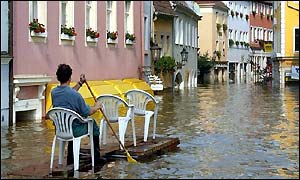 For many, the return will be worse than the evacuation
Helga Schweizer waved a cheery goodbye to her neighbours in one of Dresden's seven completely flooded districts, climbed into the small boat ferrying her to safety and burst into tears. She had been stranded for three days without electricity and with her food running out. She had no television and that's bad when the waters are lapping around your kitchen sink and you need information. "I've been here 41 years, and I never seen anything like this. And I'm far better off than other people. Let's hope it's over now." Miserable experience When she spoke, it was all but over.
Even so, it will be days, perhaps weeks, before the authorities allow residents like Helga and the frail and infirm evacuated from the hospitals and old people's centres, back to their homes. It is a miserable experience which will get no better in the coming days. Many will be put up in makeshift camps in schools, shopping malls and community centres in dry areas nearby. ''They are frustrated, depressed and when they arrive they cry a lot," said one of the Red Cross volunteer workers who signed up to help the relief effort. What they return to could be more of the same - only worse.
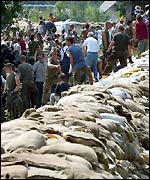
The volume of water swirling freely through the sewers and around the streets of Dresden defies belief. It leaves its dirty trails everywhere, despite the efforts of thousands of volunteers, army personnel and relief workers to sandbag it. At its height the water was advancing through the old town and other parts of the city at an average rate of 12 centimetres an hour. The mess left behind will not be fully revealed until the waters subside. Lovingly restored The people here have been as concerned for their own properties as they are for the future of their historic buildings.
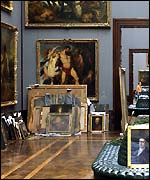
Harold Marx is the curator of the famous collection of Rembrandts, Rafaels and Botticellis, among others, at the 18th Century Zwinger Palace. It, too, was badly damaged in the war. He says the biggest danger is to the buildings - not to the art works, which have been safely moved. "Nobody knows what the damage is exactly. It will be months and months to wait and millions and millions to pay." The fear for many, though, is that they will have to start the restoration all over again, just years after they finished the first. | |
See also:  17 Aug 02 | Europe 16 Aug 02 | Europe 16 Aug 02 | Business 15 Aug 02 | Europe 17 Aug 02 | Europe Internet links: The BBC is not responsible for the content of external internet sites Top Europe stories now: Links to more Europe stories are at the foot of the page. | |||||||||||||||||||||||||||||||||||||||||||||||||||||||||||||||||||||||||||||||||||||||||||||||||||||||||||||||||||||||||||||||||||||||||||||||||||||||||||||||||||||||||||||||||||||||||
| |
|  E-mail this story to a friend E-mail this story to a friend |
| |
| Links to more Europe stories |
| | | ||
 | ||||
 | | Back to top
| ||
| ---------------------------------------------------------------------------------- To BBC Sport>> | To BBC Weather>> | To BBC World Service>> ---------------------------------------------------------------------------------- © MMIII | News Sources | Privacy |