
|
 |
 | | | | | | |||||||||||||||||||||||||||||||||||||||||||||||||||||||||||||||||||||||||||||||||||||||||||||||||||||||||||||||||||||||||||||||||||||||||
| | | You are in: Entertainment | |||||||||||||||||||||||||||||||||||||||||||||||||||||||||||||||||||||||||||||||||||||||||||||||||||||||||||||||||||||||||||||||||||||||||||
|
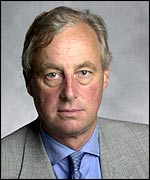
| | Wednesday, 19 June, 2002, 15:50 GMT 16:50 UK BBC chairman defends licence fee Broadcasts like the Jubilee concert 'could be hit' BBC chairman Gavyn Davies has defended the licence fee following proposals from the Conservative Party to cut the amount paid to the corporation. Depriving the BBC of the licence fee would leave it so under-funded it would have to pad-out channels with cheap programming, Mr Davies warned. Shadow Culture Secretary Tim Yeo has proposed that the BBC should be cut in size and limited to public service broadcasting. Mr Davies said the move would be "difficult and damaging". 'Television tax' He said suggestions that sport, entertainment and drama programmes should be split off and marketed commercially would mean public service shows were confined to a "ghetto channel". Mr Yeo wrote in the Financial Times that the licence fee was "a compulsory and regressive television tax". Speaking at the Social Market Foundation conference Mr Davies dismissed the Tory proposals as unworkable and said they would mean the closure of BBC Two altogether.
Separating content "artificially" would cause problems deciding what category some programmes fell into. Social issues Mr Davies warned the Conservative plan would mean millions of viewers who do not want pay channels after the analogue switch-off may have to pay to watch the World Cup or EastEnders.
Mr Davies said the BBC was relatively smaller than ever before and was spending a greater part of its budget on content. He said: "I do not see a large number of organisations with the resources and ambition to make programmes like The Blue Planet, The History of Britain, Stephen Poliakoff's drama series Perfect Strangers, or the current documentary series on The Hunt for Britain's Paedophiles." He said the Conservatives' plans would have meant television coverage of the recent jubilee celebrations might not have taken place. 'Powerful brand' Outlining Conservative plans for the BBC Mr Yeo said they would free the corporation to launch subscription or pay-per-view channels to carry sport, entertainment and drama programmes. "To ensure the BBC eases rather than obstructs progress, three changes are needed," he wrote in the Financial Times. "Public service broadcasting must be redefined, the BBC must be given freedom to exploit its own powerful brand name and assets, and viewers and listeners must be empowered." And Mr Yeo said that it was "astonishing" that Culture Secretary Tessa Jowell appeared to have ruled out any changes to the licence fee - which raises �2.2bn annually - when the BBC's charter comes up for renewal in 2006. "Most people would agree that the BBC could carry out its public service responsibilities for a significantly lower sum," wrote Mr Yeo. 'Well-worn' Culture Secretary Tessa Jowell defended her comments about the BBC licence fee at the conference.
But she described the debate over BBC funding as "a well-worn path" and said she did not expect to be surprised by any new proposals. Ms Jowell said changes must continue to be made at the BBC, "but that does not mean chasing every commercial opportunity". Ms Jowell also spoke about the continuing national consolidation of ITV licences and its impact on regional programming and identities. "Regional character matters. We will look to Ofcom [the regulator] to defend it with vigour," she insisted. | |
See also:  20 Jun 02 | Entertainment 05 Jun 02 | UK Politics 05 Jun 02 | Entertainment 22 Jan 02 | Entertainment 07 Dec 01 | Entertainment 15 Oct 01 | Entertainment 01 Oct 01 | UK Politics 13 Sep 01 | Entertainment 04 Feb 02 | Entertainment Internet links: The BBC is not responsible for the content of external internet sites Top Entertainment stories now: Links to more Entertainment stories are at the foot of the page. | |||||||||||||||||||||||||||||||||||||||||||||||||||||||||||||||||||||||||||||||||||||||||||||||||||||||||||||||||||||||||||||||||||||||||
| |
|  E-mail this story to a friend E-mail this story to a friend |
| |
| Links to more Entertainment stories |
| | | ||
 | ||||
 | | Back to top
| ||
| ---------------------------------------------------------------------------------- To BBC Sport>> | To BBC Weather>> | To BBC World Service>> ---------------------------------------------------------------------------------- © MMIII | News Sources | Privacy |






 IN DEPTH
 Broadcasting