
|
 |
 | | | | | | |||||||||||||||||||||||||||||||||||||||||||||||||||||||||||||||||||||||||||||||||||||||||||||||||||||||||||||||||||||||||||||||||||||||||||||||||||
| | | You are in: Entertainment | |||||||||||||||||||||||||||||||||||||||||||||||||||||||||||||||||||||||||||||||||||||||||||||||||||||||||||||||||||||||||||||||||||||||||||||||||||||
|
| | Thursday, 20 June, 2002, 00:11 GMT 01:11 UK Tories propose pay-per-view BBC The BBC should charge for sport and entertainment say Tories
The debate over the future funding of the BBC has begun, with a call by the Conservative Party for a radical shake-up - even though the corporation's current Royal Charter doesn't expire until 2006. The shadow media secretary Tim Yeo said the licence fee should be cut and the BBC should charge viewers to watch most of its sport and entertainment programmes via subscription channels or pay-per-view. The suggestion was immediately rejected by the BBC chairman Gavyn Davies, who said the plans wouldn't work.
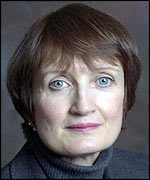
One journalist commented: "This is a historic moment - for the first time in years, the Conservative Party has a broadcasting policy." And though it is not yet formal party policy - Mr Yeo said these were ideas for discussion - it has kicked life into a debate that seemed to have died before it had begun. No change Only a fortnight ago, the Culture Secretary Tessa Jowell surprised the industry by signalling that the licence fee would continue for at least the next 15 years. She told the Financial Times that a big change was "somewhere between the improbable and the impossible". Now she explained why, saying no-one had come up with a practical alternative that could be introduced before the renewal of the BBC's next Royal Charter in 2006.
Ms Jowell said: "Is public service broadcasting going to be scrapped in the next three years? No. "Has anyone come up with a formula for replacing the licence fee that would actually work in the circumstances of the next three years? No." She said she would be happy to hear genuine proposals for how the BBC could be funded, but said "this is a well-worn path and I'm not expecting to be surprised". Now her Conservative shadow has put forward a radical alternative - he called it, with a touch of irony, "the middle way" - not to abolish the licence fee but to cut it, substantially reducing the BBC's current licence income of �2.5bn a year. Outdated tax Mr Yeo said the licence fee was a tax, a relic of a bygone age, and it should pay only for 'public service' output, such as news and education, and not for programmes the market would provide, like sport, drama and entertainment. He said: "Perhaps the BBC's public service broadcasting needs only one national TV channel not two. "Now is the time to examine just how much TV tax-payers should have to pay for the BBC's public service broadcasting function and I believe that most TV tax-payers believe it's significantly less than �2.5bn."
But BBC chairman Gavyn Davies said it was already clear that the economics of subscription channels could not sustain high-quality home-produced programmes, such as major drama series. And the BBC was a total package, which should not be unbundled into an artificial notion of "public service" components and the rest. He said: "The BBC has always existed to make the good popular and the popular good. "To try artificially to separate the two would be difficult and damaging. "Would the rock concert at Buckingham Palace count as public service - bringing the nation together for the Jubilee - or entertainment? "And if the latter, how many people would have watched on a subscription channel? "What about the World Cup? Four fifths of viewers have freely chosen to watch England matches on the advertising-free BBC. "Would they now have to pay a subscription for this privilege? "And what about drama? Should 'Crime and Punishment' be relegated to a subscription channel?" With the Communications Bill just beginning its passage through Parliament, the debate over the BBC's future is not dead yet. | |
See also:  05 Jun 02 | UK Politics 05 Jun 02 | Entertainment 22 Jan 02 | Entertainment 07 Dec 01 | Entertainment 15 Oct 01 | Entertainment 13 Sep 01 | Entertainment 04 Feb 02 | Entertainment Internet links: The BBC is not responsible for the content of external internet sites Top Entertainment stories now: Links to more Entertainment stories are at the foot of the page. | |||||||||||||||||||||||||||||||||||||||||||||||||||||||||||||||||||||||||||||||||||||||||||||||||||||||||||||||||||||||||||||||||||||||||||||||||||
| |
|  E-mail this story to a friend E-mail this story to a friend |
| |
| Links to more Entertainment stories |
| | | ||
 | ||||
 | | Back to top
| ||
| ---------------------------------------------------------------------------------- To BBC Sport>> | To BBC Weather>> | To BBC World Service>> ---------------------------------------------------------------------------------- © MMIII | News Sources | Privacy |






 IN DEPTH
 Broadcasting