|
 |
 | | | | | | |||||||||||||||||||||||||||||||||||||||||||||||||||||||||||||||||||||||||||||||||||||||||||||||||||||||||||||||||||||||||||||||||||||||||||||||||||||||||||
| | | You are in: Business | |||||||||||||||||||||||||||||||||||||||||||||||||||||||||||||||||||||||||||||||||||||||||||||||||||||||||||||||||||||||||||||||||||||||||||||||||||||||||||||
|
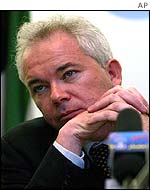
| | Monday, 13 January, 2003, 09:30 GMT Headaches ahead for Opec  Opec's president is facing some tough decisions
Delegates from Opec's 11 member countries came to Vienna with a problem. Oil prices had got too high, even for Opec itself.
At times over the last few weeks, the price was well over $30 a barrel. The rise was attributed to the strike in Venezuela, which has knocked something like 2 million barrels a day out of the global supplies. So Opec's fix for this problem is an increase in quotas of 1.5 million barrels, representing about 7% of existing output. Venezuelan dilemma It was a curious agreement. All Opec's member states get an increased quota - except Iraq which is under United Nations sanctions and does not take part in the quota system. Even strike-bound Venezuela got some extra quota even though it can not make use of it because of the strike.
The country's new quota is 2.8 million barrels per day, but the latest figures suggest Venezuela is currently producing something like a quarter of that. So why the extra quota? To make it clear that those who can produce more - mainly Saudi Arabia - are not grabbing Venezuela's share of the market. Back to the drawing board? Opec's president, Qatari Oil Minister Abdullah bin Hamad Al Attiyah, said after the meeting: "This is a very clear message that we are not taking [away] Venezuela's market share, we are protecting it." And what if Venezuelan production comes back? Mr Al Attiyah acknowledged that Opec would have to think again. If that happens, we will meet again, he said. Trouble ahead If Venezuelan officials are to be believed, it could happen sooner than many people are bargaining for. Oil Minister Rafael Ramirez said in a BBC interview that Venezuelan production would return to about 2 million barrels a day by February. That would give the rest of Opec a headache. And perhaps there's another one coming Opec's way. If there is a war in Iraq, it would add a new disruption to supplies. Tough decisions Iraq is producing more than 2 million barrels of oil a day. Would Opec act in those circumstances and make good the shortfall? There were no promises, but Mr Al Attiyah certainly was not ruling it out. And Opec officials have often said they do not want shortages in the market, and will act if there are any. What they are much less willing to do is respond to shortages caused by speculation that there might be disruptions in future. And if there is a war there is every chance of a sharp speculative rise in the price of crude oil. Opec is due to meet again in March. But with many unpredictable elements in the outlook for oil, it is perfectly possible they will decide they can not wait that long. | |
See also:  13 Jan 03 | Business 12 Jan 03 | Business 10 Jan 03 | Business 13 Aug 02 | Business Top Business stories now: Links to more Business stories are at the foot of the page. | |||||||||||||||||||||||||||||||||||||||||||||||||||||||||||||||||||||||||||||||||||||||||||||||||||||||||||||||||||||||||||||||||||||||||||||||||||||||||||
 | |
|  E-mail this story to a friend E-mail this story to a friend |
| |
| Links to more Business stories |
| | | ||
 | ||||
 | | Back to top
| ||
| ---------------------------------------------------------------------------------- To BBC Sport>> | To BBC Weather>> | To BBC World Service>> ---------------------------------------------------------------------------------- © MMIII | News Sources | Privacy |