
|
 |
 | | | | | | ||||||||||||||||||||||||||||||||||||||||||||||||||||||||||||||||||||||||||||||||||||||||||||||||||||||||||||||||||||||||||||||||||||||||||||||||||||||||||||||||||||||||||||||||||||||||||||||||||
| | | You are in: Business | ||||||||||||||||||||||||||||||||||||||||||||||||||||||||||||||||||||||||||||||||||||||||||||||||||||||||||||||||||||||||||||||||||||||||||||||||||||||||||||||||||||||||||||||||||||||||||||||||||||
|
| | Friday, 13 December, 2002, 16:20 GMT Zimbabwe fuel crisis escalates 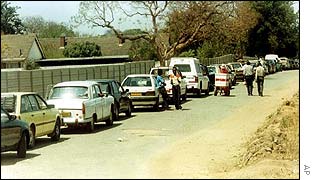 Harare grinds to a halt as petrol runs out Zimbabwe is close to running out of fuel, despite government promises that there would be adequate supplies for Christmas. Some drivers are reported to be sleeping overnight in petrol stations in the hope of filling up their cars. The squeeze tightened after the state-owned newspaper, the Herald, reported that Zimbabwe is revamping its supply agreement with Libya, which has been providing most of its fuel. The contract between Zimbabwe and Libya has been threatened by Zimbabwe's inability to pay on time. Officials from Libya's Tamoil are currently in Harare to discuss setting up a new company with the National Oil Company of Zimbabwe, Noczim, which would give the Libyans more control of the distribution and retail of petrol. Local journalists suggest that Zimbabwe is trying to mortgage state assets in order to win access to Libya's fuel. Soaring prices Zimbabwe has suffered chronic fuel shortages for two years, caused by a severe lack of foreign currency and corruption at the state-run monopoly NOCZIM. Libya supplies 70% of Zimbabwe's petroleum-based fuels with the balance provided by the Independent Petroleum Group of Kuwait. Petrol is reportedly being sold on the black market for about 1,000 Zimbabwean dollars, ($18; �11) 13 times the normal pump price. Maintaining the fuel price is critical to the government's price freeze on basic commodities. Businesses have already complained that the freeze makes production uneconomical. A 70% rise in the cost of fuel last year sparked national protests backed by the opposition MDC labour movement. Currency crisis Zimbabwe is suffering its worst economic crisis since independence in 1980 and a lack of foreign currency has cause fuel shortages since 1999. The currency is officially valued at 55 Zimbabwean dollars to the US dollar but exchanges at 30 times that level on the black market. The shortage also comes despite reports that the government had paid for the country's December fuel allocation from Tamoil. Earlier in the week the newspaper quoted deputy energy minister Reuben Marumahoko blaming the fuel shortage on "technical problems" at neighbouring Mozambique's port of Beira, through which Zimbabwe is supplied. Tamoil reportedly wants to buy a 50% stake in an oil pipeline between Zimbabwe and Beira from NOCZIM. The other 50% is owned by Lonrho Africa. | |
Internet links:  The BBC is not responsible for the content of external internet sites Top Business stories now: Links to more Business stories are at the foot of the page. | ||||||||||||||||||||||||||||||||||||||||||||||||||||||||||||||||||||||||||||||||||||||||||||||||||||||||||||||||||||||||||||||||||||||||||||||||||||||||||||||||||||||||||||||||||||||||||||||||||
| |
|  E-mail this story to a friend E-mail this story to a friend |
| |
| Links to more Business stories |
| | | ||
 | ||||
 | | Back to top
| ||
| ---------------------------------------------------------------------------------- To BBC Sport>> | To BBC Weather>> | To BBC World Service>> ---------------------------------------------------------------------------------- © MMIII | News Sources | Privacy |






