|
 |
 | | | | | | |||||||||||||||||||||||||||||||||||||||||||||||||||||||||||||||||||||||||||||||||||||||||||||||||||||||||||||||||||||||||||||||||||||||||||||||||||||||||||||||||||||||||||||||||||
| | | You are in: Business | |||||||||||||||||||||||||||||||||||||||||||||||||||||||||||||||||||||||||||||||||||||||||||||||||||||||||||||||||||||||||||||||||||||||||||||||||||||||||||||||||||||||||||||||||||||
|
| | Thursday, 5 December, 2002, 17:29 GMT Euro rates slashed to boost growth  Mounting fears over the sluggish eurozone economy have prompted the European Central Bank (ECB) to cut its key interest rate by a hefty half-point, to 2.75%. The move follows more than a year of ECB inaction on rates, despite cuts enacted by other major central banks. Europe's economy has shown increasing signs of stagnation, but the ECB has kept rates high to fight inflation, which has remained persistently high. Despite the ECB's refusal to help boost eurozone growth, a half-point cut this time had been widely predicted by analysts. Markets cheer The cut was also seen as likely to help buoy financial markets, as the single currency has come under pressure over fears that the eurozone economy might fall behind a resurgent US. Most European stock markets jumped by 1-2% in the minutes after the decision, but the euro sagged slightly against the dollar, remaining below parity with the US currency. "I think in the short run it's going to be positive for the euro," said Rob Hayward, senior forex analyst at ABN Amro. "People will be thinking about its effect on economic growth; the belief will be that the ECB is acting fairly decisively and I think that will be slightly positive. "If you look a further out then the positive effect is going to wane rather swiftly." Slowdown The decision to cut rates sharply appears controversial in light of recent inflation figures, which showed that eurozone consumer prices were still growing much faster than the ECB's target.
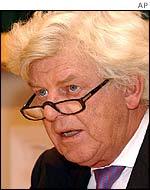
But ECB president Wim Duisenberg told the European Parliament on Tuesday that inflationary pressures were "easing" and that the risks "on the downside" of a further recession was increasing. In a statement after the rate decision, the ECB governing council said that "the evidence that inflationary pressures are easing has increased, owing in particular to the sluggish economic expansion. "Furthermore, downside risks to economic growth have not vanished." Europe is still far from being in an official recession, but its biggest economy, Germany, is teetering on the brink. Fears of a genuine slowdown have been heightened in recent months by Germany's worsening budget position, which is leading to government spending cuts and, potentially, widespread tax increases. Berlin welcome As a result, the decisive rate cut has pleased the German Government. Berlin has been lobbying hard for an ECB rate cut since the summer. "Of course I am pleased that the ECB has lowered rates," said German Chancellor Gerhard Schroeder. "I believe this will contribute to a revival of economic activity not only in Germany but across Europe." But since interest rates generally take about six months to have any serious effect on economic performance, any stimulus may arrive too late to save the German Government from the need to raise taxes. | |
See also:  05 Dec 02 | Business 04 Dec 02 | Business 04 Dec 02 | Business 02 Dec 02 | Business 20 Nov 02 | Business 18 Nov 02 | Business 28 Sep 02 | Business 05 Dec 02 | Business Internet links: The BBC is not responsible for the content of external internet sites Top Business stories now: Links to more Business stories are at the foot of the page. | |||||||||||||||||||||||||||||||||||||||||||||||||||||||||||||||||||||||||||||||||||||||||||||||||||||||||||||||||||||||||||||||||||||||||||||||||||||||||||||||||||||||||||||||||||
 | |
|  E-mail this story to a friend E-mail this story to a friend |
| |
| Links to more Business stories |
| | | ||
 | ||||
 | | Back to top
| ||
| ---------------------------------------------------------------------------------- To BBC Sport>> | To BBC Weather>> | To BBC World Service>> ---------------------------------------------------------------------------------- © MMIII | News Sources | Privacy |