
|
 |
 | | | | | | ||||||||||||||||||||||||||||||||||||||||||||||||||||||||||||||||||||||||||||||||||||||||||||||||||||||||||||||||||||||||||||||||||||||||||||||||||||||||||||||||||||||||||
| | | You are in: Business | ||||||||||||||||||||||||||||||||||||||||||||||||||||||||||||||||||||||||||||||||||||||||||||||||||||||||||||||||||||||||||||||||||||||||||||||||||||||||||||||||||||||||||||
|
| | Thursday, 28 November, 2002, 13:52 GMT Saudi budget deficit grows 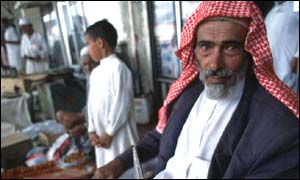 The Budget will try to promote more jobs for Saudis The world's largest oil producer Saudi Arabia has announced a 209bn riyal (�36bn; $55.7bn) budget for 2003 and forecast a deficit of 39bn riyals. The only time it has recorded a surplus in the last 20 years was in 2000. Analysts told BBC New Online they were surprised at the size of the budget and the deficit. Revenues of 170bn riyals are expected, 75% of which analysts estimate comes from oil sales. The secretive rulers do not reveal the oil price which was used to calculate the budget, but it is thought to have been between $16 to $17 per barrel for 2002. Saudi oil production is about 7.6 million barrels per day and the average price for the kingdom's crude has been slightly above $23 dollars a barrel. As is customary, the budget did not mention defence spending. King Fahd approved the budget late on Monday. Cutting debt A Finance Ministry statement said 2002's 225bn riyal budget had a smaller-than-expected deficit of 21bn riyals, which is thought to have been mainly due to higher oil prices. The kingdom's domestic debt is about $170bn while foreign debt stands at around $20bn. Finance and Economy Minister Ibrahim al-Assaf said earlier this month that Saudi Arabia planned to sell stakes in 20 big state-owned industries to reduce the debt burden. Jobs plan Under a five-year plan announced in 2001, the government plans to employ over 800,000 unemployed Saudis, replacing 488,600 foreigner workers and creating 328,000 new jobs, mainly in the private sector. Unemployment in Saudi Arabia stands at between 15% and 20% while foreigners make up about 65% of the work force. "The available economic data for the greater part of 2002 herald an improved domestic economy performance, especially for the private sector," the ministry statement said. The government has allocated $15.2bn for education and vocational training for Saudi citizens and $6.1bn for health care. Government wages consume more than half of the budget. The cost of living index fell by 0.4% in 2002 from the previous year, the ministry statement said. | |
See also:  28 Oct 02 | Business 23 Oct 02 | Business 30 Sep 02 | Business 09 Sep 02 | Business 10 Jul 02 | Business Internet links: The BBC is not responsible for the content of external internet sites Top Business stories now: Links to more Business stories are at the foot of the page. | ||||||||||||||||||||||||||||||||||||||||||||||||||||||||||||||||||||||||||||||||||||||||||||||||||||||||||||||||||||||||||||||||||||||||||||||||||||||||||||||||||||||||||
| |
|  E-mail this story to a friend E-mail this story to a friend |
| |
| Links to more Business stories |
| | | ||
 | ||||
 | | Back to top
| ||
| ---------------------------------------------------------------------------------- To BBC Sport>> | To BBC Weather>> | To BBC World Service>> ---------------------------------------------------------------------------------- © MMIII | News Sources | Privacy |






