
|
 |
 | | | | | | ||||||||||||||||||||||||||||||||||||||||||||||||||||||||||||||||||||||||||||||||||||||||||||||||||||||||||||||||||||||||||||||||||||||||||
| | | You are in: Business | ||||||||||||||||||||||||||||||||||||||||||||||||||||||||||||||||||||||||||||||||||||||||||||||||||||||||||||||||||||||||||||||||||||||||||||
|
| | Wednesday, 23 October, 2002, 17:08 GMT 18:08 UK Saudi Arabia 'urged to speed up reform' 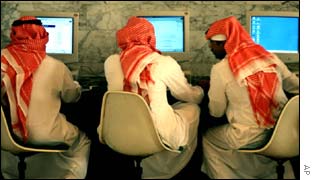 Saudi Arabia is trying to diversify its economy The International Monetary Fund (IMF) has reportedly warned Saudi Arabia to speed up reforms in order to strengthen its oil-dependent and volatile economy. The IMF told Saudi officials that inaction would result in less foreign investment and more pressure on public finances, according to a leaked report seen by the Financial Times. The report was compiled following meetings between Saudi authorities and the IMF several months ago, and was not intended to be made public. The IMF is reported to have recommended the following changes to the way Saudi Arabia's economy is managed:
But each of these proposed changes is controversial. Unemployment fears Cuts in government spending risk putting the brakes on an already-sluggish economy that relies on the state - not the private sector - for much of its momentum. Badly needed infrastructure projects might be delayed while any reduction in state subsidies or the generous cradle-to-grave welfare system that Saudis have come to expect as their right would not be well received. The introduction of income tax is a similarly sensitive issue. The Saudi Government - traditionally very cautious towards reform - has also resisted calls for wide-ranging privatisation. Economists say it does not wish to lose control of key industries, introduce a flood of foreign ownership or rush bloated, uneconomic state enterprises to the market before they are ready. Privatisation also risks increasing unemployment, already at an estimated 10%. Oil dependence Saudi Arabia's economy is vulnerable to fluctuating commodity prices because of its heavy reliance on oil exports. But its grip on international oil markets has weakened considerably because of rival production from the former Soviet Union, Africa and Latin America. Real terms income from oil has fallen while population growth has galloped away to about 3.5%, putting pressure on the government to deliver faster economic growth. But its achievements in this and in reducing the economy's dependence on both oil and the state have been limited. The IMF estimates that real growth in economic output, taking into account the expanding population, was just 1.2% last year, and could fall to a mere 0.7% this year. | | See also:  11 Feb 02 | Business 22 Jan 02 | Business 19 Jan 02 | South Asia 09 Dec 01 | Business 28 Dec 01 | Country profiles Internet links: The BBC is not responsible for the content of external internet sites Top Business stories now: Links to more Business stories are at the foot of the page. | ||||||||||||||||||||||||||||||||||||||||||||||||||||||||||||||||||||||||||||||||||||||||||||||||||||||||||||||||||||||||||||||||||||||||||
| |
|  E-mail this story to a friend E-mail this story to a friend |
| |
| Links to more Business stories |
| | | ||
 | ||||
 | | Back to top
| ||
| ---------------------------------------------------------------------------------- To BBC Sport>> | To BBC Weather>> | To BBC World Service>> ---------------------------------------------------------------------------------- © MMIII | News Sources | Privacy |



