
|
 |
 | | | | | | ||||||||||||||||||||||||||||||||||||||||||||||||||||||||||||||||||||||||||||||||||||||||||||||||||||||||||||||||||||||||||||||||||||||||||||
| | | You are in: Business | ||||||||||||||||||||||||||||||||||||||||||||||||||||||||||||||||||||||||||||||||||||||||||||||||||||||||||||||||||||||||||||||||||||||||||||||
|
| | Monday, 25 November, 2002, 11:49 GMT Doubts on Lebanon $4bn loan deal 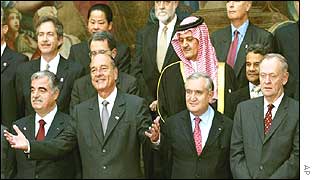 Not all donors agree on giving money to Lebanon A $4bn loan package from international donors to help Lebanon tackle its public debt and avert a financial crisis has received a mixed reaction. Former Lebanese Finance Minister George Corm said the amount and conditions of the low-cost loans pledged at the Paris conference were unclear.
"The sums lack transparency, and neither the conditions, the period and the process of utilising credits is clear, neither in the final statement of Paris II or in the table distributed to journalists," he said in a television interview. Lebanon did not receive the $5bn it was counting on, because it has avoided International Monetary Fund (IMF) policies on privatisations and market liberalisation. Economic troubles Lebanon wants to cut the $3bn a year it spends on servicing more than $30bn in public debt, which represents half of its budget, or 18% of gross domestic product. Prime Minister Rafiq Hariri told the conference that public debt would hit "about $31bn at the end of the year" and without funds Lebanon would have to default on payments in 2003. Lebanon hopes an austere 2003 draft budget, revenues from value-added tax and income tax, and $5bn from the privatisation of mobile phone and electricity utilities would ease the debt burden. Lebanon is still reeling from a devastating civil war in the 1970s and 1980s. Press praise Most Lebanese newspapers welcomed the loans but said the government would have to focus on speeding financial reforms and privatisations to revive the economy. The mass-circulation An-Nahar daily said there was now international support "for its financial reform plans, in return for a serious commitment from Lebanon to implement reforms under the supervision of the International Monetary Fund (IMF)." Only the Ad-Diyar newspaper, which opposes prime minister Rafiq Hariri, was critical saying the loans "cover up the bad (government) performance which had led the country to accumulate an important debt" of more than $30bn. Who gave what Saudi Arabia was the main donor, promising $700m, while France, the European Investment Bank, the Kuwait Investment Bank, and the Arab Development Fund all pledged $500m each. The US, Britain, Germany and Spain offered nothing until Lebanon struck a deal with the IMF. The Beirut government has sought to avert structural reform proposed by the IMF. The meeting was dubbed "Paris II" after a similar conference in 2001 at which $500m was pledged. | | See also:  30 Oct 02 | Business 16 Oct 02 | Business 18 Sep 02 | Middle East 26 Aug 02 | Business 29 Jul 02 | Business Internet links: The BBC is not responsible for the content of external internet sites Top Business stories now: Links to more Business stories are at the foot of the page. | ||||||||||||||||||||||||||||||||||||||||||||||||||||||||||||||||||||||||||||||||||||||||||||||||||||||||||||||||||||||||||||||||||||||||||||
| |
|  E-mail this story to a friend E-mail this story to a friend |
| |
| Links to more Business stories |
| | | ||
 | ||||
 | | Back to top
| ||
| ---------------------------------------------------------------------------------- To BBC Sport>> | To BBC Weather>> | To BBC World Service>> ---------------------------------------------------------------------------------- © MMIII | News Sources | Privacy |



