|
 |
 | | | | | | ||||||||||||||||||||||||||||||||||||||||||||||||||||||||||||||||||||||||||||||||||||||||||||||||||||||||||||||||||||||||||||||||||||||||||||||||||||||||||||||||
| | | You are in: Middle East | ||||||||||||||||||||||||||||||||||||||||||||||||||||||||||||||||||||||||||||||||||||||||||||||||||||||||||||||||||||||||||||||||||||||||||||||||||||||||||||||||||
|
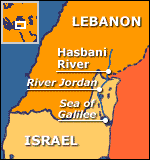
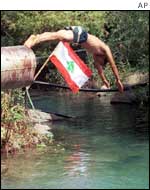
| | Wednesday, 18 September, 2002, 18:03 GMT 19:03 UK Moves to ease Mid-East water tensions 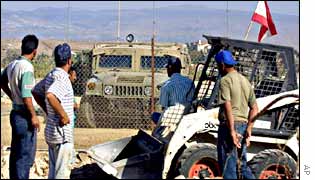 The Israelis are watching the project closely The United States is trying to defuse a water dispute between Israel and Lebanon which Israel has said could lead to war. An American water expert has held talks with Lebanese leaders in Beirut, to discuss the project aimed at diverting water from the Wazzani, a border river.
Israeli Defence Minister Binyamin Ben Eliezer has said the Hasbani water system provides 10% of his country's water, and that Israel could not tolerate a diversion. Richard Lawson, a State Department water expert, had talks with Lebanese Prime Minister Rafiq Hariri and Parliamentary Speaker Nabih Berri on Wednesday. 'Sensitivity' No details of the meetings have emerged. Mr Lawson is due to meet Israeli officials later this week. The move follows a visit to southern Lebanon on Monday by another US water expert, Jim Franckiewicz, to determine if work on the Wazzani - which has already started - was consistent with regulations and agreements over the years.
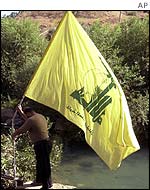
On Tuesday, Israeli Foreign Minister Shimon Peres brought up the issue in a meeting with US Secretary of State Colin Powell at the United Nations in New York. "We understand the sensitivity of the issue but we don't want to see a new crisis developing over the diversion of water out of the river," Mr Powell said. Lebanese President Emile Lahoud has said the project will continue and officials insist Lebanon is not is breach of any international agreements. The leader of Lebanon's militant Hezbollah group - which controls southern Lebanon - says the group will resist militarily if Israel uses force to stop the scheme. Border tension Last week Israeli Prime Minister Ariel Sharon said Lebanon's Wazzani plan could be a cause for war between the two countries. The Israeli army has been closely monitoring the work from their side of the border.
The AFP news agency says Israeli soldiers on Wednesday threatened to fire on Lebanese labourers when the engineer leading the project knocked over a UN border marker. The soldiers pulled out after UN troops arrived to prop up the marker, according to AFP. In 2001, Lebanon went ahead with a pumping project from Hasbani river to irrigate the drought-stricken border village of Ghajar, despite strong Israeli objections. Beirut says the plan is to take less that 10 million cubic metres from the Wazzani, which it says falls within its fair share of water according to international law. Lebanese officials say the Wazzani's annual flow is 50 million cubic metres a year, and the Hasbani's flow is 150 million cubic metres. | | See also:  17 Sep 02 | Middle East 16 Sep 02 | Middle East 17 Sep 02 | Media reports 10 Sep 02 | Middle East 28 Mar 01 | Middle East 16 Mar 99 | Middle East Internet links: The BBC is not responsible for the content of external internet sites Top Middle East stories now: Links to more Middle East stories are at the foot of the page. | ||||||||||||||||||||||||||||||||||||||||||||||||||||||||||||||||||||||||||||||||||||||||||||||||||||||||||||||||||||||||||||||||||||||||||||||||||||||||||||||||
| |
|  E-mail this story to a friend E-mail this story to a friend |
| |
| Links to more Middle East stories |
| | | ||
 | ||||
 | | Back to top
| ||
| ---------------------------------------------------------------------------------- To BBC Sport>> | To BBC Weather>> | To BBC World Service>> ---------------------------------------------------------------------------------- © MMIII | News Sources | Privacy |