
|
 |
 | | | | | | ||||||||||||||||||||||||||||||||||||||||||||||||||||||||||||||||||||||||||||||||||||||||||||||||||||||||||||||||||||||||||||||||||||||||||
| | | You are in: Business | ||||||||||||||||||||||||||||||||||||||||||||||||||||||||||||||||||||||||||||||||||||||||||||||||||||||||||||||||||||||||||||||||||||||||||||
|
| | Friday, 15 November, 2002, 16:31 GMT Middle East embraces privatisation 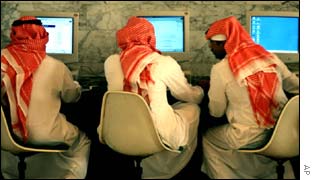 Is a new era of economic reform on its way? Several Middle Eastern states have this week moved closer to embracing privatisation schemes in order to shore up their finances. Saudi Arabia's finance minister, Ibrahim al-Assaf, announced plans to privatise 20 sectors including telecoms, railways, health services and hotels. Qatar's Sheikh Hamad announced that it would sell off part of its petrochemical sector, as well as some metallurgy and fertiliser industries. And the Lebanese Government said it envisaged reaping revenues of $1bn from state sales during 2004 and 2005. The bulk of the money will come from telecoms and electricity firms, while preparations are also underway for the sale of Beirut airport and the seaports. Stagnant The privatisation of state firms is one way of attracting more foreign investment into the region. It is also useful to help balance the budget. Both Saudi and Lebanon are struggling to reduce public debt and control widening budget deficits. Last month, a leaked report from the International Monetary Fund urged Saudi Arabia to set a timetable for privatisations or face economic stagnation. And Saudi billionaire Prince Alwaleed bin Talal warned that the Arab World had fallen into an "appalling economic state" despite its former prominence as a trading partner. The UN's latest Arab human development report suggested that real per capita income between 1975 and 1998 grew at just 0.5%. Unemployment fears The economies of many Middle Eastern states rely heavily on oil. But other oil-rich regions, including Africa, Russia and Latin America, have undermined the Gulf's dominance of oil exports. And attempts to diversify economies have been limited, with the Saudi government in particular being reluctant to embrace reform. Economists say it does not wish to lose control of key industries, introduce a flood of foreign ownership or rush bloated, uneconomic state enterprises to the market before they are ready. Privatisation also risks increasing unemployment. | | See also:  23 Oct 02 | Business 11 Feb 02 | Business 29 Jul 02 | Business 30 May 02 | Business 29 Oct 02 | Business Internet links: The BBC is not responsible for the content of external internet sites Top Business stories now: Links to more Business stories are at the foot of the page. | ||||||||||||||||||||||||||||||||||||||||||||||||||||||||||||||||||||||||||||||||||||||||||||||||||||||||||||||||||||||||||||||||||||||||||
| |
|  E-mail this story to a friend E-mail this story to a friend |
| |
| Links to more Business stories |
| | | ||
 | ||||
 | | Back to top
| ||
| ---------------------------------------------------------------------------------- To BBC Sport>> | To BBC Weather>> | To BBC World Service>> ---------------------------------------------------------------------------------- © MMIII | News Sources | Privacy |



