|
 |
 | | | | | | ||||||||||||||||||||||||||||||||||||||||||||||||||||||||||||||||||||||||||||||||||||||||||||||||||||||||||||||||||||||||||||||||||||||||||||||||||||||||||||||||||||||||||||||||||||||||||||||||
| | | You are in: Business | ||||||||||||||||||||||||||||||||||||||||||||||||||||||||||||||||||||||||||||||||||||||||||||||||||||||||||||||||||||||||||||||||||||||||||||||||||||||||||||||||||||||||||||||||||||||||||||||||||
|
| | Friday, 1 November, 2002, 17:16 GMT Calls to restart ivory trade 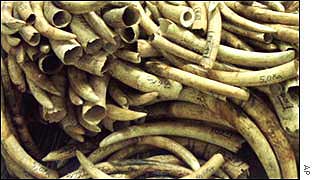 A single elephant tusk sells for more than $20
Five southern African countries are lobbying hard for a limited resumption of trading in ivory. The current ban, which was introduced in 1989, was widely credited with slowing an alarming slide in the continent's elephant population - which had halved in a little over a decade.
The battle over a possible return to ivory trading will be fought at a diplomatic level far from Africa. Delegates are gathering in Santiago in Chile, for the conference of the Convention on International Trade in Endangered Species. Natural deaths The leader of the South African team of negotiators, Mavuso Msimang, told the BBC's World Business Report that most of the ivory for sale came from elephants that had died from natural causes. "We would like to sell whatever ivory we accumulate from natural mortalities," he said. He added that some of the ivory was from elephants that had been culled - before the practice was stopped in 1996. He maintained that there would be about two tons of ivory offered for sale each year, on top of the one-off disposal of present stocks.
But the proposals are a long way from having the support of all countries in Africa. Kenya is leading the campaign to keep the ban in place. It fears wild elephants across the continent will be targeted by poachers seeking to "launder" dirty ivory with legal supplies. Jason Bell-Leask, from the International Fund for Animal Welfare (IFAW), told the BBC's World Business Report that he was sympathetic to South Africa's view. "They do need resources to be able to fund conservation activities," he said. Poaching threat "What we advocate is that the developed world comes to the party to ensure that the financing of elephant protection is funded," he said.
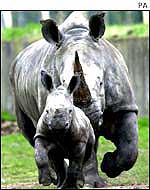
Those in favour of a return to ivory trading insist it would take place only under strictly supervised conditions. Ivory would be sold only to countries with a system of monitoring to ensure poached ivory was not being sold alongside legal supplies. Mr Msimang insisted the new system itself would not encourage poaching. "People trade in rhino horn, which has been banned for a long time," he said. "Smugglers will always find a market." Mr Bell-Leask, too, fears that smuggling will continue whatever happens: "History has shown that demand can never be satisfied through legal sources." He said it could only be satisfied through illegal activities. | |
See also:  30 Oct 02 | Hardtalk 23 Oct 02 | Africa 14 Oct 02 | Science/Nature 11 Oct 02 | Africa 09 Oct 02 | Africa 04 Oct 02 | Asia-Pacific 13 Jun 02 | Asia-Pacific 04 Apr 00 | Africa Internet links: The BBC is not responsible for the content of external internet sites Top Business stories now: Links to more Business stories are at the foot of the page. | ||||||||||||||||||||||||||||||||||||||||||||||||||||||||||||||||||||||||||||||||||||||||||||||||||||||||||||||||||||||||||||||||||||||||||||||||||||||||||||||||||||||||||||||||||||||||||||||||
| |
|  E-mail this story to a friend E-mail this story to a friend |
| |
| Links to more Business stories |
| | | ||
 | ||||
 | | Back to top
| ||
| ---------------------------------------------------------------------------------- To BBC Sport>> | To BBC Weather>> | To BBC World Service>> ---------------------------------------------------------------------------------- © MMIII | News Sources | Privacy |