|
 |
 | | | | | | |||||||||||||||||||||||||||||||||||||||||||||||||||||||||||||||||||||||||||||||||||||||||||||||||||||||||||||||||||||||||||||||||||||||||||||||||||||||||||||||||||||||||
| | | You are in: Business | |||||||||||||||||||||||||||||||||||||||||||||||||||||||||||||||||||||||||||||||||||||||||||||||||||||||||||||||||||||||||||||||||||||||||||||||||||||||||||||||||||||||||||
|
| | Monday, 14 October, 2002, 13:38 GMT 14:38 UK Brazil sees huge rise in prices 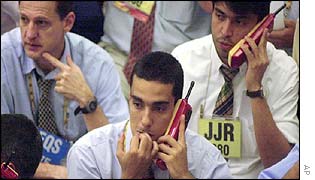 Concern is growing over Brazil's economic future
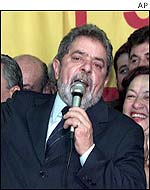
The continuing uncertainty surrounding Brazil's political future has led to massive price rises in the country. The inconclusive first round of elections for a new president has increased anxiety among consumers and investors. There is also a fear that inflation could spiral out of control, as it did in the 1980s when shopkeepers were unable to keep up with changing price tags on goods. Bus fares on some routes have just risen by 52%; food prices and the cost of gas used for cooking are on the increase; and the value of the Brazilian currency, the real, against the dollar depreciates almost daily. Further slide? The air of uncertainty surrounding Brazil's economy has intensified since Luis Ignacio Lula da Silva - the left-wing favourite to win the presidency - failed to secure an outright majority in the first round of voting.
There's now another two weeks of campaigning, during which many analysts expect a further slide into a potentially crippling financial crisis. The fear is that should former steel worker Mr Lula eventually become president, his government could order a suspension of the payment of Brazil's public debt. People also worry about the return of high inflation which, twenty years ago, hit a massive record high of 10% a day. Warnings The price rises seen over the past few days will not help calm the nerves of consumers or investors. Analysts on Wall Street have already warned of a potentially catastrophic situation involving both the flight of foreign capital and a further weakening of the currency. Depending on the scale of any further devaluation, companies in Brazil may also find themselves unable to honour their debts. Should this happen, it would effectively mean the end of the so-called Real plan, the economic stabilisation programme introduced by the outgoing president, Fernando Enrique Cardoso, eight years ago. It is thought that Brazil's central bank only has enough foreign reserves to defend the currency until January next year. In recent weeks it has already had to intervene to the tune of almost $1bn to prevent an even sharper depreciation of the real. | |
See also:  09 Oct 02 | Americas 07 Oct 02 | Americas 07 Oct 02 | Americas 28 Sep 02 | Business 18 Sep 02 | Business 10 Sep 02 | Business 06 Sep 02 | Business Internet links: The BBC is not responsible for the content of external internet sites Top Business stories now: Links to more Business stories are at the foot of the page. | |||||||||||||||||||||||||||||||||||||||||||||||||||||||||||||||||||||||||||||||||||||||||||||||||||||||||||||||||||||||||||||||||||||||||||||||||||||||||||||||||||||||||
| |
|  E-mail this story to a friend E-mail this story to a friend |
| |
| Links to more Business stories |
| | | ||
 | ||||
 | | Back to top
| ||
| ---------------------------------------------------------------------------------- To BBC Sport>> | To BBC Weather>> | To BBC World Service>> ---------------------------------------------------------------------------------- © MMIII | News Sources | Privacy |