
|
 |
 | | | | | | |||||||||||||||||||||||||||||||||||||||||||||||||||||||||||||||||||||||||||||||||||||||||||||||||||||||||||||||||||||||||||||||||||||||||||||||||
| | | You are in: Business | |||||||||||||||||||||||||||||||||||||||||||||||||||||||||||||||||||||||||||||||||||||||||||||||||||||||||||||||||||||||||||||||||||||||||||||||||||
|
| | Friday, 6 September, 2002, 10:50 GMT 11:50 UK Round one in China-Japan spinach war 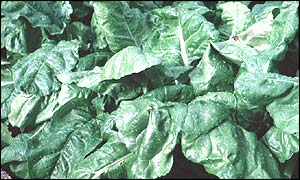 Leaving a nasty taste in Japanese mouths In a sign of the tensions that beset Asian trade, China and Japan are locked in a war of words over spinach. China's foreign trade ministry has hit out at new Japanese safety standards for frozen spinach imports, arguing that they "constitute discrimination against Chinese products". Beijing has so far stopped short of retaliating against Japanese products, but discussions on the spinach issue have collapsed without agreement several times already. In the past few months, China has launched all-out trade wars with Japan and other Asian countries over goods as seemingly insignificant as garlic and bean sprouts. Many of China's smaller neighbours fear that their markets could be flooded with cheap Chinese products, which may squeeze out local producers. Chemical reaction The spinach row is a food-safety matter, Tokyo officials argue. Last month, Japanese inspectors found high amounts of a pesticide called chlorpyrifos in some Chinese frozen spinach. But China argues that the resulting clampdown was far tougher on Chinese spinach than on other countries', and that Tokyo tolerates other vegetables with far higher levels of chlorpyrifos. Japan buys almost all its spinach from China, including some 20,000 tonnes of the frozen vegetable, worth $20m (�12.8m), every year. By last month, imports had fallen to zero. Nasty neighbours Although the size of spinach imports is a tiny fraction of the $88bn-worth of goods traded between the two neighbours every year, the row could have wider implications. In the past, Beijing has retaliated by slapping 100% punitive tariffs on imports of foreign electronics or cars, often provoking a tit-for-tat response. More broadly, it is another sign that China is having difficulty in maintaining trade relations within Asia, something ever more crucial as it settles into the World Trade Organisation, which it joined at the end of last year. Many countries in Asia and beyond have sought to defend their markets against Chinese encroachment by arguing that the quality of imports is not up to scratch. | |
See also:  19 Jul 02 | Business 15 Jul 02 | Business 25 Jun 02 | Business 14 May 02 | Asia-Pacific 10 Feb 02 | Business 21 Dec 01 | Business 10 Nov 01 | Business Internet links: The BBC is not responsible for the content of external internet sites Top Business stories now: Links to more Business stories are at the foot of the page. | |||||||||||||||||||||||||||||||||||||||||||||||||||||||||||||||||||||||||||||||||||||||||||||||||||||||||||||||||||||||||||||||||||||||||||||||||
| |
|  E-mail this story to a friend E-mail this story to a friend |
| |
| Links to more Business stories |
| | | ||
 | ||||
 | | Back to top
| ||
| ---------------------------------------------------------------------------------- To BBC Sport>> | To BBC Weather>> | To BBC World Service>> ---------------------------------------------------------------------------------- © MMIII | News Sources | Privacy |





