
|
 |
 | | | | | | ||||||||||||||||||||||||||||||||||||||||||||||||||||||||||||||||||||||||||||||||||||||||||||||||||||||||||||||||||||||||||||||||||||||||||||
| | | You are in: Business | ||||||||||||||||||||||||||||||||||||||||||||||||||||||||||||||||||||||||||||||||||||||||||||||||||||||||||||||||||||||||||||||||||||||||||||||
|
| | Thursday, 8 August, 2002, 23:02 GMT 00:02 UK Medical insurance 'too costly' 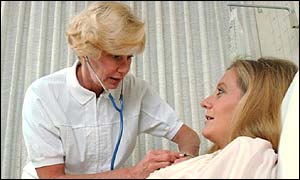 Fewer people are choosing to buy medical insurance People are becoming increasingly concerned that private medical insurance (PMI) is too expensive for them to even consider, according to new research. More people turning their backs on private healthcare will be a blow to a government keen to relieve pressure on NHS waiting lists.
A survey by market analysts Datamonitor, found that since 1996 the number of individual PMI policyholders had fallen by 191,000 to 1.1m. The rising cost of insurance premiums is the main reason for the sharp drop in policyholder numbers, according to the report's author. Better deal for groups In 1996 the average annual premium for an individual was �715. By the end of 2001 premiums had risen to �1,135, an increase of nearly 60%. Insurers raised premiums because it was costing them more to settle claims. But people belonging to group schemes, often supported by employers, saw average premiums rise over the same period by only �41, from �439 to �480. According to the report, group policyholders fared better because they claimed less often than individuals. The average age of group scheme members is lower than that of individual policyholders. Savings used for operations Patients are not abandoning private healthcare altogether, with more people choosing to pay when they need treatment. "Less costly treatment such as cataract surgery is increasingly being funded out of personal savings," said Caroline Southwood a Standard Life healthcare spokeswoman. And schemes that pay out only if the cost of treatment exceeds a pre-agreed level - often �5,000 - are proving a hit with customers because premiums are much lower than traditional PMI. "We have seen a 24% increase in this type of business during the last year," said Ms Southwood. Fundamental problems As for increased government spending on the NHS leading to a decline in interest in PMI, the report's author Fiona O'Regan said that insurers were not losing any sleep. "Many believe that merely investing vast quantities of money in the NHS might not be enough to overcome the fundamental problems crippling the service. "This will drive people to make provisions for their health care," she added. | | See also:  30 Jun 02 | BMA Conference 26 Jul 02 | Politics 12 Jul 02 | Consuming Issues Internet links: The BBC is not responsible for the content of external internet sites Top Business stories now: Links to more Business stories are at the foot of the page. | ||||||||||||||||||||||||||||||||||||||||||||||||||||||||||||||||||||||||||||||||||||||||||||||||||||||||||||||||||||||||||||||||||||||||||||
| |
|  E-mail this story to a friend E-mail this story to a friend |
| |
| Links to more Business stories |
| | | ||
 | ||||
 | | Back to top
| ||
| ---------------------------------------------------------------------------------- To BBC Sport>> | To BBC Weather>> | To BBC World Service>> ---------------------------------------------------------------------------------- © MMIII | News Sources | Privacy |





