|
 |
 | | | | | | |||||||||||||||||||||||||||||||||||||||||||||||||||||||||||||||||||||||||||||||||||||||||||||||||||||||||||||||||||||||||||||||||||||||||||||||||||||||||||||||||||||||||||||||||||||||||||||||
| | | You are in: Programmes: Working Lunch: Consuming Issues | |||||||||||||||||||||||||||||||||||||||||||||||||||||||||||||||||||||||||||||||||||||||||||||||||||||||||||||||||||||||||||||||||||||||||||||||||||||||||||||||||||||||||||||||||||||||||||||||||
|
| |  Friday, 12 July, 2002, 12:01 GMT 13:01 UK Friday, 12 July, 2002, 12:01 GMT 13:01 UK Insurance questions answered 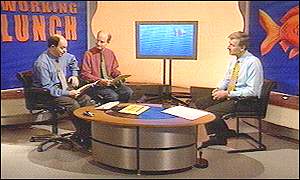 Adam and Simon fire your questions at Peter Staddon Peter Staddon from the British Insurance Brokers' Association (BIBA) tackles your insurance questions. David Fraser says: "When Independent Insurance, my car insurer, went bust last year my broker advised that a refund of 90% of the unused portion of the premium would be refunded to me. Over a year on I'm still awaiting that payment. How long will it take? "I paid the insurance by credit card. When I claimed the 10% of the premium not refundable my credit card company refused as they say that the insurance broker that I paid discharged its responsibility by passing on my premium to Independent Insurance, and therefore my claim was not valid! Should I challenge this?" There are three things to mention here: 1) The 90% pro rata net of insurance premium tax should start to flow shortly. We have only just seen the final agreement regarding Drake (which went into provisional liquidation 12 months before Independent) finalised and the final payment being made. 2) Credit card companies are in the middle like the brokers. In some circumstances they might be held liable. However, the Financial Services Compensation Scheme (FSCS) administrators have indicated that they will fund the return of premiums, although there is no legal requirement to do so. 3) Most motor policies have some form of legal helpline. I would suggest that you call the helpline for some specific advice on the credit card companies liability. Peter Stross had his wallet stolen on a recent trip to Prague. He noticed as he boarded a plane and so couldn't report the matter to the police immediately. On arriving back in the UK, he notified his insurance company. He then immediately wrote to the Prague police notifying them of the theft. The insurance company now say that they will not meet the claim because a condition of the insurance is that he notifies the police within 24 hours of the discovery of the theft and obtains a police report. Is this right? This is just not acceptable. On the face of it there was no time to advise the local police and you did everything correctly. What next? The policy will detail the company's complaints procedure. Write to the chief executive of the insurance company. Also write to the Financial Services Ombudsman; I'm sure they will take a different approach than the initial repudiation. Mike Horsfield is part of a small water hygiene company with three employees which is finding it extremely difficult to obtain liability insurance. They have been operating for five years with no claims yet last year their insurance trebled. It may well do so again this year when they renew it in August. They may be forced to close if this continues. What do you suggest? This is unfortunately becoming a common problem. Due to the ever increasing spiralling costs of awards and legal costs, many insurers are looking into different areas to provide insurance. This means that there are limited numbers of companies in the UK authorised or willing to underwrite Employers Liability (EL) policies. The price will rise and in some cases companies will be forced into liquidation as the availability of cover dries up and companies are unable to trade, as EL is a compulsory requirement. Priscilla Watson recently tried to renew her home contents insurance only to find that she'd been paying an extra charge for the "privilege" of spreading her premium over the year by direct debit. She shopped around and found that this was the case with other insurers too. Is this really standard practice?
What Priscilla should look at is the bottom line of the insurance and then the bottom line including the finance agreement. Most agreements allow payment to be made over 10 or 12 months. With shorter periods, I would expect to see a smaller charge for financing the premium. Ray Frampton has just booked a holiday and has found that cover for theft of money and credit cards is covered by home insurance, card protection insurance and also insurance he agreed to when he booked the holiday. He understands he should only claim from one of these, but wondered if he could claim from more than one if any loss he suffers is greater than the maximum payout on the one he chooses. The travel policy is the more specific policy. This would normally come into play first. Some policies will allow the home policy to pay in the event that there is insufficient level of cover in the travel policy. Be aware though of difference in terms. Some travel policies will only cover cash up to �150 although there may be "personal money" of �500. "Personal money" would include travellers cheques, postal orders etc. Money may be restricted to being carried on the person or left in a hotel safe. Some would only cover it if left in a hotel safe in reception - even if there is a safe in your room. Knock-on effect Each insured person on the policy would have the full terms applicable to themselves. If a claim is paid under the travel policy some insurers will seek a contribution from the home insurance. This then has a knock-on effect when the home policy is up for renewal. An alternative is to opt for cover on Baggage & Personal Effects and Money to be covered under the home contents policy and take a price reduction on the travel policy of perhaps between 12% and 17%. Tony Fazackerley says: "Last year I purchased annual travel insurance and paid about �78 by credit card. I have now found on last month's statement that I have been charged �112 for the same insurance for this year. "When I queried this with the company they said they had sent me a letter which said if I did not respond the insurance would automatically be renewed. I have no recall of ever receiving this letter. "Are they allowed to do this? It feels like theft." Tony will need to look at the policy terms. It could state that the policy will be automatically renewed unless the provider is told otherwise. However, this is not common practice for this class of business. Having said that, if Tony did not want the policy to be renewed then the contract is suspect. All insurance contracts, like any other contract, need offer and acceptance. Was the renewal offered? And on the face of it Tony did not accept this. I would go back to the credit card company and ask why they authorised payment. Look at your contents or building policy for your home. You may have a legal helpline - use it to question both the credit card company's action and that of the insurance provider. Andrew McMinn from Cumbria is 26 years old, and in 1994 was diagnosed with Crohn's disease. He's had a number of operations to try to cure it, and his consultant has now given him a clean bill of health. Can you offer any advice on where he may be able to get medical insurance that can offer an affordable and reliable level of treatment and cover? Andrew does need a specialist market. He could try either the Association of Medical Insurance Intermediaries (AMII) on 01235 529100 or the Association of Independent Financial Advisors (AIFA) on 020 7628 1287 to point him in the right direction. C Johnson of South Yorkshire wants to know about travel insurance for her daughter. She is a student, 20 years old and intending to travel to Europe to teach English. She will probably be out of the country in excess of 90 days and she's found that most companies will only insure for 183 days in any 365 day period. Many students take a year out and travel the world. These young people will have annual cover allowing them to be away for up to 365 days continously. C Johnson refers to his/her daughter teaching English in a European country; we have a reciprocal arrangement regarding the NHS in the UK. She should take an E 111 form which will provide emergency medical cover. Other areas, like baggage, money etc could be covered under the parent's own policy. Simply ask the provider. Having said that there are specialist companies who cover students abroad. The opinions expressed are Peter's, not the programme's. The answers are not intended to be definitive and should be used for guidance only. Always seek professional advice for your own particular situation. | |
Internet links:  The BBC is not responsible for the content of external internet sites | |||||||||||||||||||||||||||||||||||||||||||||||||||||||||||||||||||||||||||||||||||||||||||||||||||||||||||||||||||||||||||||||||||||||||||||||||||||||||||||||||||||||||||||||||||||||||||||||
| |
|  E-mail this story to a friend E-mail this story to a friend |
|  |
| Links to more Consuming Issues stories |
| | | ||
 | ||||
 | | Back to top
| ||
| ---------------------------------------------------------------------------------- To BBC Sport>> | To BBC Weather>> | To BBC World Service>> ---------------------------------------------------------------------------------- © MMIII | News Sources | Privacy |