|
 |
 | | | | | | ||||||||||||||||||||||||||||||||||||||||||||||||||||||||||||||||||||||||||||||||||||||||||||||||||||||||||||||||||||||||||||||||||||||||||||||||||||||||||||||||
| | | You are in: Business | ||||||||||||||||||||||||||||||||||||||||||||||||||||||||||||||||||||||||||||||||||||||||||||||||||||||||||||||||||||||||||||||||||||||||||||||||||||||||||||||||||
|
| | Monday, 10 June, 2002, 17:25 GMT 18:25 UK Venezuela pins hopes on new oil chief State oil firm PDVSA badly needs investment
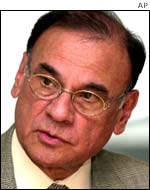
The company is struggling to maintain its productivity. Venezuela, which has been rocked by political instability following April's failed coup d'etat against the government, is the world's fourth biggest oil exporter and a founding member of the Opec cartel of oil-producing countries. Mr Rodriguez is currently having to juggle his Opec job with a part-time position as the president of PDVSA but he is expected to take over full control of the $58bn company in a matter of weeks. Intense debate It is understood Mr Rodriguez - a close friend of President Hugo Chavez - only agreed to take on the mammoth task if Mr Chavez let him have a free hand in shaping the state's petroleum policy.
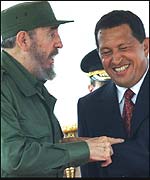
Venezuelan politics remains sharply polarised since the failure of the coup against the populist, left-wing president. Critics of Mr Chavez's economic policies say the President has in the past meddled in PDVSA's affairs and is unlikely to stop his old habits. In February, he sacked the entire PDVSA board of directors, only to reinstate most of them several weeks later. "As long as Mr Chavez is in power, Ali Rodriguez will have his hands tied behind his back," said economist and former PDVSA director Jose Toro-Hardy. "Although he's a very clever man, in the current circumstances he won't have any real freedom to reform the company and its oil policy.
"We can't waste any more time in overhauling the company's ageing petroleum platforms. PDVSA is in dire need of money and investments." There is currently a heated debate among Venezuela's top economists and entrepreneurs about how Mr Rodriguez should run PDVSA, which accounts for 30% of the country's economic output. Mr Toro-Hardy represents one school of thought in arguing that the company should be part-privatised on order to let the people have more of a share in Venezuela's oil wealth. Holy cow "Twenty percent of PDVSA should be floated on the world's stock markets, another 20% should be poured into special pension funds for the petroleum workers," he said. However, before any PDVSA stock could be sold off in the future, Venezuela's constitution would have to changed. "Parliament would in any case have to approve a privatisation and since PDVSA is somewhat of a holy cow which several presidents have tried to slaughter, I don't think it's a realistic option. "As long as there's a breath left in Mr Chavez, the bill won't even reach parliament," predicts Alan Viergutz, former president of Venezuela's petroleum chamber. Mr Viergutz is a passionate supporter of the idea that Venezuela cannot afford to further cut its oil production beyond the �2m cuts already carried out since Mr Chavez was elected in 1998.
"There's no more room for further cuts, if anything we need to boost production, discarding Opec quotas. "As we were slashing oil output in the past, we were also squeezing gas production. We need to remind ourselves that 95% of Venezuela's associated gas [which is produced at oil refineries] is an offshoot of how much petroleum we produce at home." Indeed almost all of the domestic gas supplies used by Venezuelans for cooking, for generating electricity and in industry comes is a by-product of the country's petroleum sector. Mr Viergutz is convinced that further cuts could plunge gas production into crisis. Attracting investors Many critics of Venezuela's oil policy say the Hydro Carbons Law, which rules that the state takes a 51% stake in any new exploration and production agreement, puts a high burden on PDVSA's funds. To counter this, Mr Rodriguez wants to attract a lot more interest from overseas investors. "Mr Rodriguez has already set his sights on boosting investments particularly from the United States and in a greater Venezuelan involvement in the American market, its traditional strength," PDVSA's external relations director, Hugo Hernandez-Raffalli, told the BBC. He also wants Venezuelan business leaders to take more of an active part in the oil industry. So far they've shied away from investing in cooperation deals. Lobbying hard Mr Rodriguez will soon begin lobbying hard to get Venezuelan businesses to form consortiums to invest in the costly business of oil exploration. It's also expected Mr Rodriguez will carefully review the current oil loan agreement Venezuela has with Cuba. Under the terms of the deal, Cuba is supposed to get 53,000 barrels of crude oil per day and only has to pay an interest rate of 2% over a period of 17 years. Cuba has so far run up new debts of over $65m and Venezuelans are deeply unhappy with PDVSA's past generosity. Indeed, oil shipments to Cuba have been interrupted until an agreement on the restructuring of the debt has been reached. | |
See also:  20 Apr 02 | Americas 08 Apr 02 | Business 07 Apr 02 | Business 15 Apr 02 | Business Internet links: The BBC is not responsible for the content of external internet sites Top Business stories now: Links to more Business stories are at the foot of the page. | ||||||||||||||||||||||||||||||||||||||||||||||||||||||||||||||||||||||||||||||||||||||||||||||||||||||||||||||||||||||||||||||||||||||||||||||||||||||||||||||||
| |
|  E-mail this story to a friend E-mail this story to a friend |
| |
| Links to more Business stories |
| | | ||
 | ||||
 | | Back to top
| ||
| ---------------------------------------------------------------------------------- To BBC Sport>> | To BBC Weather>> | To BBC World Service>> ---------------------------------------------------------------------------------- © MMIII | News Sources | Privacy |