|
 |
 | | | | | | ||||||||||||||||||||||||||||||||||||||||||||||||||||||||||||||||||||||||||||||||||||||||||||||||||||||||||||||||||||||||||||||||||||||||||||||||||||||||||||||||||||||||||||||||||||||||||||||||||||||||
| | | You are in: Americas | ||||||||||||||||||||||||||||||||||||||||||||||||||||||||||||||||||||||||||||||||||||||||||||||||||||||||||||||||||||||||||||||||||||||||||||||||||||||||||||||||||||||||||||||||||||||||||||||||||||||||||
|
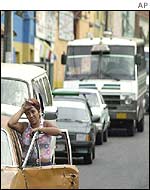
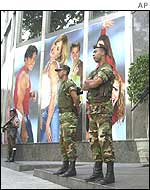
| | Tuesday, 21 January, 2003, 22:43 GMT Carter proposes Venezuela resolution  Chavez has stood firm over demands for fresh elections A new plan aimed at resolving the political tug-of-war currently gripping Venezuela has been proposed by former US President Jimmy Carter. The plan suggests two alternatives, which would both work toward allowing Venezuelan electors another opportunity to approve or reject President Hugo Chavez at the ballot box, but would both require months to organise.
Mr Chavez said he would be willing to accept either proposal, but our correspondent in the capital Caracas, Adam Easton, says his opponents are more cautious, arguing that Mr Chavez is damaging the economy so much that earlier elections are needed. At least six people have been killed and dozens injured in street clashes since the stand-off began. Constitutional change? The plans proposed by Mr Carter - who was awarded the Nobel Peace Prize in 2002 for international efforts for peace - follow two months of failed negotiations brokered by Cesar Gaviria, secretary-general of the Organisation of American States. The two alternatives Mr Carter suggests are:
In return, the opposition would agree to call off the strike, which has pushed up oil prices and sent the Venezuelan currency, the bolivar, tumbling against the US dollar. "My opinion is that both sides now want to reach an agreement to end the impasse that is threatening to destroy Venezuela's economy and social structure," Mr Carter told a news conference before flying back to the US. 'No problem' Mr Carter said he would present his proposals to the first meeting of foreign ministers from six nations comprising the "Group of Friends" who aim to help resolve the crisis - the US, Brazil, Mexico, Chile, Spain and Portugal.
"If, for example, the opposition wants to shorten the presidential term from six years to four years, or to five or three, it's all right for them to try it," he said. However, Mr Chavez continued to reject the possibility of a nonbinding referendum on 2 February - which the National Elections Council agreed to organise after receiving an opposition petition - saying it would be both unconstitutional and impossible to organise in time. His government has won three elections and two referendums since 1998, and his supporters - many from the shanty towns in the hills around Caracas - played a large part in ensuring an attempted coup last April was defeated. | |
See also:  16 Jan 03 | Americas 16 Jan 03 | Americas 21 Jan 03 | Business 07 Jan 03 | Business 05 Jan 03 | Americas 21 Jan 03 | Americas 16 Jan 03 | Business Internet links: The BBC is not responsible for the content of external internet sites Top Americas stories now: Links to more Americas stories are at the foot of the page. | ||||||||||||||||||||||||||||||||||||||||||||||||||||||||||||||||||||||||||||||||||||||||||||||||||||||||||||||||||||||||||||||||||||||||||||||||||||||||||||||||||||||||||||||||||||||||||||||||||||||||
 | |
|  E-mail this story to a friend E-mail this story to a friend |
| |
| Links to more Americas stories |
| | | ||
 | ||||
 | | Back to top
| ||
| ---------------------------------------------------------------------------------- To BBC Sport>> | To BBC Weather>> | To BBC World Service>> ---------------------------------------------------------------------------------- © MMIII | News Sources | Privacy |