|
 |
 | | | | | | ||||||||||||||||||||||||||||||||||||||||||||||||||||||||||||||||||||||||||||||||||||||||||||||||||||||||||||||||||||||||||||||||||||||||||||||||||||||||||||||||||||||||||||||||||||||||||||||||||||||||
| | | You are in: Americas | ||||||||||||||||||||||||||||||||||||||||||||||||||||||||||||||||||||||||||||||||||||||||||||||||||||||||||||||||||||||||||||||||||||||||||||||||||||||||||||||||||||||||||||||||||||||||||||||||||||||||||
|
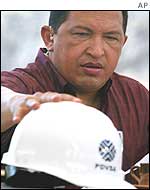
| | Saturday, 28 December, 2002, 00:54 GMT Venezuela leader insists 'worst over'  Mile-long lines continue for fuel in Venezuela Embattled Venezuelan President Hugo Chavez has said his government has overcome the worst of an oil strike which has crippled his country for almost a month.
"The spokesmen of the virtual Venezuela can say what they want, there is a devastating and massive strike," said one of the protest leaders, unionist Carlos Ortega. Oil prices have soared, with prices in the US hitting their highest levels in more than two years at more than $32 a barrel. 'Saved the nation' Mr Chavez said that the oil sector was improving, with troops and loyal oil workers moving tanker ships and restarting halted production wells.
"They have tried to stab the heart of Venezuela. We have saved the nation from their treacherous dagger," he added. Venezuela has begun to accept imports from neighbouring Brazil, with 520,000 barrels due to arrive over the weekend. The country's biggest refinery at Paraguana is still idle and petroleum is flowing at a fraction of the 3 million barrels Venezuela exported every day before the current crisis began on 2 December. Queues at petrol stations still stretch for miles and food shortages persist. Civil disobedience Venezuela, a vocal member of the oil cartel Opec, is normally the fifth biggest oil exporter in the world. But its status as such looks set to remain a memory for the present, after executives at state oil firm PDVSA voted to continue the strike. Talks to resolve the crisis are under way at the Organisation of American States. The government has agreed to one key opposition demand - a non-binding referendum on whether the President should step down - should the Supreme Court permit it, a government negotiator said. One opposition leader, Caracas City councilman Enrique Ochoa Antich, said that should be enough to end the strike and limit the economic damage. But Mr Chavez has refused to submit to any referendum until August 2003. | |
See also:  27 Dec 02 | Americas 24 Dec 02 | Americas 23 Dec 02 | Business 21 Dec 02 | Americas 17 Dec 02 | Business Internet links: The BBC is not responsible for the content of external internet sites Top Americas stories now: Links to more Americas stories are at the foot of the page. | ||||||||||||||||||||||||||||||||||||||||||||||||||||||||||||||||||||||||||||||||||||||||||||||||||||||||||||||||||||||||||||||||||||||||||||||||||||||||||||||||||||||||||||||||||||||||||||||||||||||||
 | |
|  E-mail this story to a friend E-mail this story to a friend |
| |
| Links to more Americas stories |
| | | ||
 | ||||
 | | Back to top
| ||
| ---------------------------------------------------------------------------------- To BBC Sport>> | To BBC Weather>> | To BBC World Service>> ---------------------------------------------------------------------------------- © MMIII | News Sources | Privacy |





 They have tried to stab the heart of Venezuela... we have saved the nation from their treacherous dagger