|
 |
 | | | | | | |||||||||||||||||||||||||||||||||||||||||||||||||||||||||||||||||||||||||||||||||||||||||||||||||||||||||||||||||||||||||||||||||||||||||||||||||||||||||||||||||||||||||||||||||||||||||||||||
| | | You are in: Americas | |||||||||||||||||||||||||||||||||||||||||||||||||||||||||||||||||||||||||||||||||||||||||||||||||||||||||||||||||||||||||||||||||||||||||||||||||||||||||||||||||||||||||||||||||||||||||||||||||
|
| | Thursday, 12 December, 2002, 07:59 GMT Venezuelans living on the brink 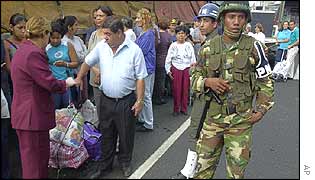 People have been stockpiling what food is available
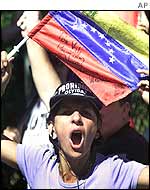
As Venezuela enters the 11th day of an opposition-led general strike, residents in the working class Palo Verde neighbourhood of the capital Caracas are having to get used to the sound of clanging pots and pans. At 2000 (0000 GMT) every evening hundreds of people take to the streets beating saucepans with spoons to noisily demand that the country's President Hugo Chavez step down.
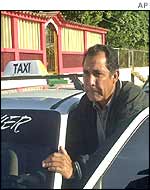
Venezuelans are deeply divided over their charismatic leftist president. The strike, which is being supported by thousands of managers from the state energy company Petroleos de Venezuela and has paralysed the world's fifth largest oil exporter's main industry, has heightened tensions further. Price of change Petrol stations have run out of fuel, and dairy products have become scarce in supermarkets operating on restricted opening hours. Every morning they are jammed with shoppers stockpiling food.
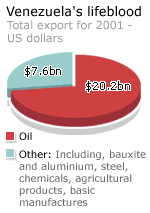
The strike is costing Venezuela, a major supplier of oil to the United States, more than $50m a day in lost export revenues, energy minister Rafael Ramirez said. The stoppage has one aim, to pressurise Mr Chavez into calling elections by early next year. "It's not a price, it's an investment in the future, freedom and democracy. If this is the price we have to pay for that, this is the time to do it, later will be too late," said striking oil manager Jose Boccardo. Dictatorial behaviour Mr Chavez's popularity has slumped to about 30% from highs of about 80% after his first election victory four years ago, opinion polls say.
His opponents accuse him of promoting violence with his divisive rhetoric and behaving like a dictator. After gunmen fired indiscriminately into a crowd of opposition supporters at a leafy square in the east of Caracas killing three people and injuring another 28 last week, many middle class neighbourhoods echoed to the shouts of "Chavez, assassin." One of the suspects was almost lynched by an angry crowd as police officers tried to take him into custody. The government denied having any connection to the suspects. Public order threat Venezuela is on the brink of spiralling into further violence, says Cesar Gaviria, Secretary General of the Organisation of American States, who is brokering talks between the government and the opposition in an effort to reach an electoral solution.
"Both sides have to negotiate soon in the next few days or we will find increasing demands by the opposition and that may take Venezuela to a confrontation with a high risk of violence," Mr Gaviria said. "I'm really fearful that with the problems of transportation we may have a food shortage which could lead to riots and looting," he added. Support of the poor The general strike has been much less successful however in poorer areas of Caracas, home to the president's hardcore supporters. Shops and businesses for the most part have remained open. For many of Venezuela's poor who scrape by on less than $2 a day, Mr Chavez is a saviour, whose programme of social reform has their interests at heart. When Mr Chavez was detained for 48 hours in a failed coup following a similar oil strike in April, thousands of his supporters took to the streets to demand his return. It seems they would do so again.
For the past three nights hundreds of the president's supporters have demonstrated outside the offices of the country's four main opposition-supporting TV stations to demand they tell the truth. "We're in the middle of a media and oil industry coup. The people are on the streets and we're continuing the struggle. Those people don't want elections, that's a lie, they want to get Chavez out through the backdoor," teacher Sixta Careano said. Mr Gaviria remains hopeful more bloodshed can be avoided: "People under very difficult circumstances take the decision to negotiate. I think we shouldn't be too sceptical that a negotiation can't still be reached," he said. "Of course it's not certain and it may not happen but both sides recognise that the best way out is a negotiation. If that was not true they would not be sitting at the table," he added. | |
See also:  11 Dec 02 | Americas Internet links: The BBC is not responsible for the content of external internet sites Top Americas stories now: Links to more Americas stories are at the foot of the page. | |||||||||||||||||||||||||||||||||||||||||||||||||||||||||||||||||||||||||||||||||||||||||||||||||||||||||||||||||||||||||||||||||||||||||||||||||||||||||||||||||||||||||||||||||||||||||||||||
| |
|  E-mail this story to a friend E-mail this story to a friend |
| |
| Links to more Americas stories |
| | | ||
 | ||||
 | | Back to top
| ||
| ---------------------------------------------------------------------------------- To BBC Sport>> | To BBC Weather>> | To BBC World Service>> ---------------------------------------------------------------------------------- © MMIII | News Sources | Privacy |