|
 |
 | | | | | | ||||||||||||||||||||||||||||||||||||||||||||||||||||||||||||||||||||||||||||||||||||||||||||||||||||||||||||||||||||||||||||||||||||||||||||||||||||||||||||||||||||||||||||||||||||||||||||||||
| | | You are in: Americas | ||||||||||||||||||||||||||||||||||||||||||||||||||||||||||||||||||||||||||||||||||||||||||||||||||||||||||||||||||||||||||||||||||||||||||||||||||||||||||||||||||||||||||||||||||||||||||||||||||
|
| | Friday, 6 September, 2002, 22:24 GMT 23:24 UK The hunt for al-Qaeda's money 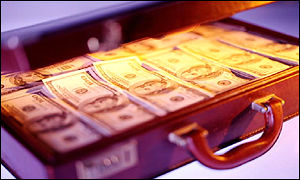 US says al-Qaeda is forced to use "risky" money transfers
The United States says it has forced al-Qaeda and other terrorist groups to abandon the international commercial banking system.
"The al-Qaeda financial system is complex but you can't call carrying wads of cash around sophisticated," the US Deputy Treasury Secretary, Kenneth Dam, said in an exclusive BBC interview. More than $100 million of assets were frozen in the first few months after the 11 September attacks, as the US opened a financial front in the war against terror. Since the beginning of this year, the amount of new money to be frozen has tailed off. 'Hawala' system But Mr Dam denied that efforts to starve al-Qaeda of money were failing. "When they have to carry it around, there's a good chance that they will get caught. They have to go through customs, they have to put their valises through machines at the airport," he said. "So getting the people out of the commercial banking system and getting them to use these less effective methods is precisely the game plan that we are on." Investigators now plan to focus on two areas: Islamic charities and the informal "hawala" banking system used by Muslims across the world to transfer money quickly, often using the extended family network. Mr Dam acknowledged that tackling Islamic charities was a sensitive issue and he insisted that the US government did not want to discourage charitable giving. "But I do not think that the governments and serious citizens of Muslim countries want their charities to be polluted by being abused," he said. Terror money Trying to put a figure on al-Qaeda's wealth is extremely difficult. Estimates have ranged from $30 million to $300 million. "To keep the al-Qaeda network going and to run terrorist camps takes money," said Mr Dam. "It might not cost much to mount a particular attack. But they have a network and it is the network that costs them a lot of money." US officials believe that new money could be coming from donations channelled through Islamic charities. They also think that al-Qaeda may be extracting "protection money" from businesses or wealthy individuals from some countries where the group operates. 'Interrupting the pipeline' South East Asia has been identified as a region which merits further attention from investigators. "We know that we are deterring donors from giving money," said Mr Dam. "We know that we are interrupting the pipeline, making it difficult to transfer money from one country to another. "And so even if they have some wealth somewhere, the point is that they have got to buy airline tickets, run training camps." Nevertheless, Mr Dam warned against complacency, saying that any country in the world could be a potential target for the terrorists. | |
See also:  12 Apr 02 | Business 25 Apr 02 | Business 18 Mar 02 | Business 14 Mar 02 | Business 07 Nov 01 | Business 19 Mar 02 | Business 02 Sep 02 | Business Internet links: The BBC is not responsible for the content of external internet sites Top Americas stories now: Links to more Americas stories are at the foot of the page. | ||||||||||||||||||||||||||||||||||||||||||||||||||||||||||||||||||||||||||||||||||||||||||||||||||||||||||||||||||||||||||||||||||||||||||||||||||||||||||||||||||||||||||||||||||||||||||||||||
| |
|  E-mail this story to a friend E-mail this story to a friend |
| |
| Links to more Americas stories |
| | | ||
 | ||||
 | | Back to top
| ||
| ---------------------------------------------------------------------------------- To BBC Sport>> | To BBC Weather>> | To BBC World Service>> ---------------------------------------------------------------------------------- © MMIII | News Sources | Privacy |