|
 |
 | | | | | | |||||||||||||||||||||||||||||||||||||||||||||||||||||||||||||||||||||||||||||||||||||||||||||||||||||||||||||||||||||||||||||||||||||||||||||||||||||||||||||||||||||||||||
| | | You are in: Americas | |||||||||||||||||||||||||||||||||||||||||||||||||||||||||||||||||||||||||||||||||||||||||||||||||||||||||||||||||||||||||||||||||||||||||||||||||||||||||||||||||||||||||||||
|
| | Wednesday, 31 July, 2002, 06:49 GMT 07:49 UK Canada's troubled native children 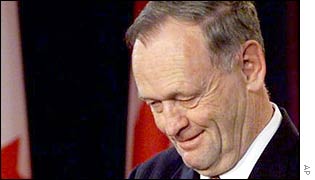 Chretien attended every day of his son's 1992 trial
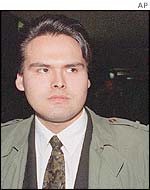
When the Canadian Prime Minister, Jean Chretien, was Indian Affairs Minister in the early 1970s, he and wife Aline adopted an 18-month-old boy from a native orphanage in the country's Northwest Territories. It was a sign that the plight of Canada's 1.4 million native people - who suffer from grinding poverty and high rates of suicide and substance abuse - was something Mr Chretien took very personally.
The case of the prime minister's son, who has acknowledged having drugs and alcohol problems, illustrates many of the long-standing troubles of Canada's native population, sometimes called first nations. But, native activists say, it also illustrates the problems Canada's federal and provincial governments have created with some of their efforts to help. In the 1960s and 70s, child welfare agencies were quick to remove native children and place them with white, middle-class families, sometimes far from native communities. 'Sixties Scoop' Aboriginal activists have come to call the phenomenon the "Sixties Scoop".
They say it was often bad for the children, who grew up confused about their native identities, and bad for native communities - who lost a disproportionate number of their children. By the 1980s, Canadian provinces were changing their adoption policies after native leaders and others condemned what some said was a form of "cultural genocide". New rules in many jurisdictions meant that native children, would, if possible, be placed in native homes. "First nations these days are much more in control of the child-welfare system," says Kenn Richard, the executive director of Native Child and Family Services of Toronto, a not-for-profit support centre. But Mr Richard says most of the troubled native young people who visit his Toronto drop-in centre are the products of those adoptions by white families in decades past. Many are addicted to drugs, or are working as prostitutes, after running away from their adoptive parents to live on the street, he says. Foetal alcohol effects In addition to confusion about their identities, many of the adopted children came from alcoholic parents, and may be suffering from forms of foetal alcohol effects (FAE), said Judy Grove, executive director of the Adoption Council of Canada. FAE is a disorder that impairs judgment and mental functions, caused when mothers drink during pregnancy. Experts say those who suffer from it are much more likely to get in trouble with the law. But during the Sixties Scoop, "nobody knew what that was", Ms Grove said. She said native children are still "grossly overrepresented" in Canada's child-welfare system, and finding permanent, stable homes for some of them has become even harder, because some native bands refuse to allow any children to leave their reserves.
The issue of non-native Canadians adopting native children is also tied up in the legacy of the country's residential schools for native people, which were run by the government and Canada's main Christian churches. Until 1969, Canada removed many native children from their homes and put them in these residential schools, where they were forbidden to speak their own languages and where many suffered abuse. Personal tragedy There is no question that the Chretiens love their son, who was troubled from an early age. Sensitive to native culture, they even took him back to the remote Northwest Territories to learn about his past. And they have stood by him even when he was convicted in 1992 of tying up and sexually assaulting a woman in Montreal. In a brief statement, the prime minister said he and his wife were "saddened" by their son's latest arrest, which "may indicate a recurrence of his longstanding troubles with substance abuse." "As any parents who love their children, we have suffered when our son has suffered and have been deeply concerned by any harm that may have come to others as a result of his conduct." | | See also:  30 Oct 01 | Americas 16 Jul 02 | Science/Nature 24 May 02 | Asia-Pacific 28 Apr 02 | Americas 21 Jun 02 | Country profiles Internet links: The BBC is not responsible for the content of external internet sites Top Americas stories now: Links to more Americas stories are at the foot of the page. | |||||||||||||||||||||||||||||||||||||||||||||||||||||||||||||||||||||||||||||||||||||||||||||||||||||||||||||||||||||||||||||||||||||||||||||||||||||||||||||||||||||||||||
| |
|  E-mail this story to a friend E-mail this story to a friend |
| |
| Links to more Americas stories |
| | | ||
 | ||||
 | | Back to top
| ||
| ---------------------------------------------------------------------------------- To BBC Sport>> | To BBC Weather>> | To BBC World Service>> ---------------------------------------------------------------------------------- © MMIII | News Sources | Privacy |